





What's Happening?
Pakistan is currently grappling with a severe food insecurity crisis, as highlighted in the 2026 Global Report on Food Crises. The report indicates that over nine million Pakistanis are experiencing 'crisis' conditions, with an additional 1.7 million in the 'emergency'
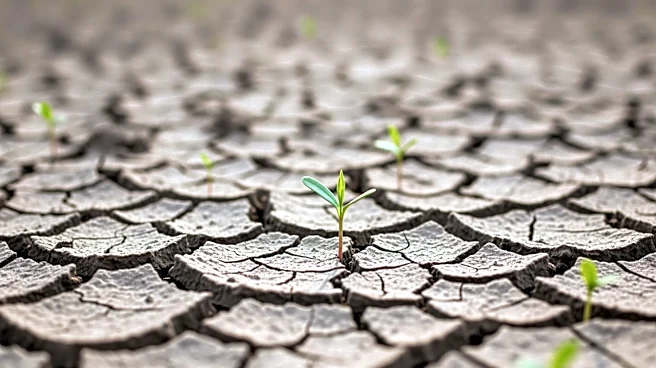
category. Despite being an agrarian state, Pakistan struggles with self-reliance in food security due to factors such as non-mechanized farming, low-quality seeds, and the impacts of climate change. Water scarcity, salinity, and waterlogging further exacerbate the situation, alongside a lack of educational opportunities for farmers. The country has faced extraordinary monsoon rains, floods, and droughts in recent years, disrupting its agricultural landscape. Experts are calling for an urgent overhaul of the agricultural sector to address these challenges and improve food security.
Why It's Important?
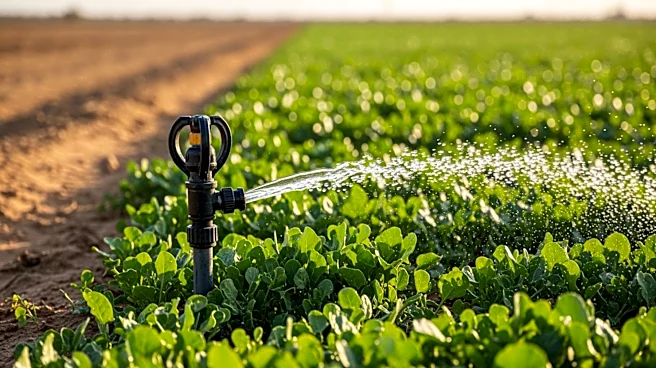
The food insecurity crisis in Pakistan has significant implications for the country's socio-economic stability. As a major agrarian economy, the inability to achieve food self-reliance threatens the livelihoods of millions of farmers and the broader population. The crisis underscores the need for comprehensive agricultural reforms, including the adoption of modern farming techniques and improved seed quality. Addressing water management issues and adapting to climate change are also critical to ensuring sustainable agricultural practices. Failure to act could lead to increased reliance on food imports, further straining the country's economy and exacerbating poverty levels. The situation calls for immediate policy interventions to optimize crop yields and diversify agricultural production.