







What's Happening?
An advocacy group is urging U.S. school boards and superintendents to prohibit the plastic industry from disseminating what they term 'disinformation' in K-12 public school classrooms. The group highlights that plastic companies and industry associations,
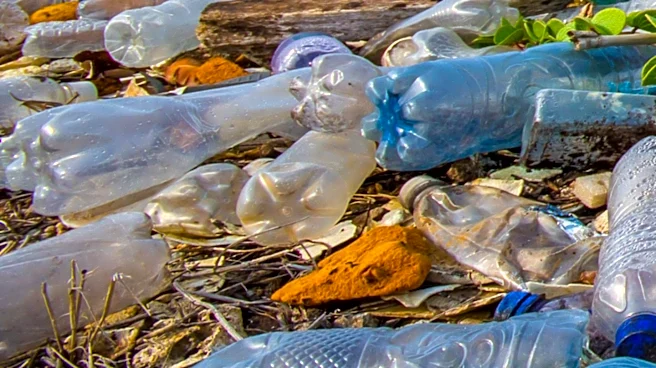
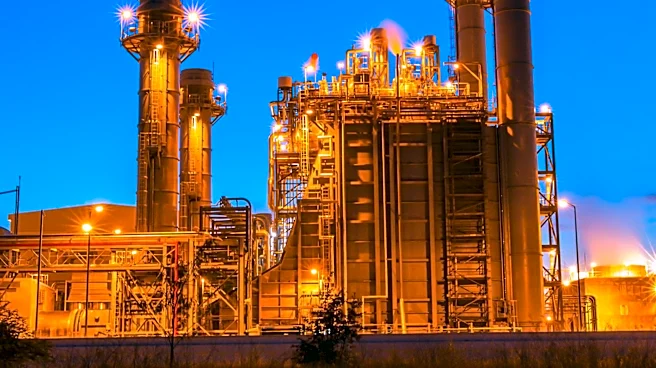
including major chemical, fossil fuel, and plastic producers, are funding school programs and educational materials. These materials, according to the group, promote 'the wonders of plastics' while omitting scientific evidence of plastic pollution's health and environmental harms. The initiative aims to curb public concerns, increase support for local plastic facilities, and recruit future workers for an economy based on fossil fuels. The group argues that plastics contain over 16,000 chemicals, with 4,200 known to be hazardous, and that 99% of plastics are derived from fossil fuels, contributing to climate change. They assert that this industry messaging compromises the integrity of education and hinders efforts to address the global plastic crisis.
Why It's Important?
This call to action is significant for U.S. education and public health, as it addresses the influence of corporate interests on school curricula. If successful, it could lead to a re-evaluation of educational materials and partnerships between schools and industries, particularly those with environmental impacts. For the plastic and fossil fuel industries, this represents a challenge to their public relations and workforce development strategies. The debate highlights concerns about the health of U.S. children, who are particularly vulnerable to toxic exposure from plastics, especially those living near polluting facilities. The broader implication is a potential shift in how environmental science and corporate responsibility are taught in schools, fostering a more critical understanding of industrial impacts among students and future generations. This could also influence public perception and policy decisions regarding plastic production and waste management in the U.S.
What's Next?
The advocacy group is calling on school boards and superintendents across the U.S. to adopt policies that prohibit sponsored educational materials and programs from the chemical, fossil fuel, and plastic industries. They also advocate for the identification and removal of existing programs and for mandatory funder transparency for all educational materials. Furthermore, the group urges the adoption of curriculum on plastic pollution that is grounded in up-to-date scientific research and frontline experiences. The immediate next steps involve local school districts and state education departments considering these policy recommendations. The response from educational institutions and the plastic industry will determine the extent to which these calls for change are implemented, potentially leading to public debates and policy reforms regarding corporate influence in education and environmental literacy.
Beyond the Headlines
This issue delves into the ethical dimensions of corporate influence in public education and the broader societal challenge of addressing climate change and pollution. The debate over 'plastic propaganda' in schools reflects a larger struggle for narrative control regarding environmental issues. By targeting educational institutions, the plastic industry aims to shape future public opinion and workforce, while advocates seek to empower students with unbiased scientific knowledge. This conflict highlights the tension between economic interests and public welfare, particularly the health and future of children. The long-term implications could include a more robust framework for vetting educational content for corporate bias, increased public awareness of the environmental and health impacts of plastics, and potentially a more informed citizenry capable of advocating for sustainable practices and policies. It also raises questions about the role of schools in fostering critical thinking about industry claims and environmental stewardship.