




What's Happening?
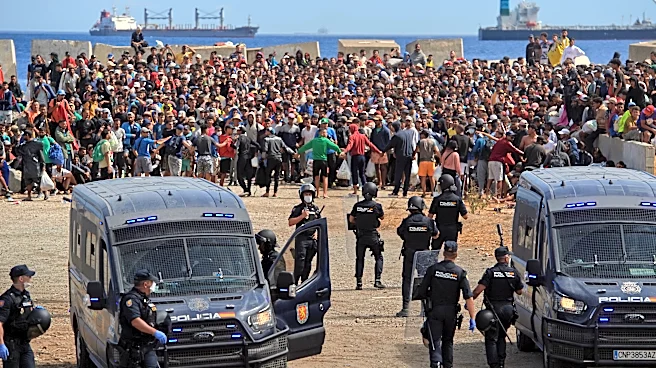
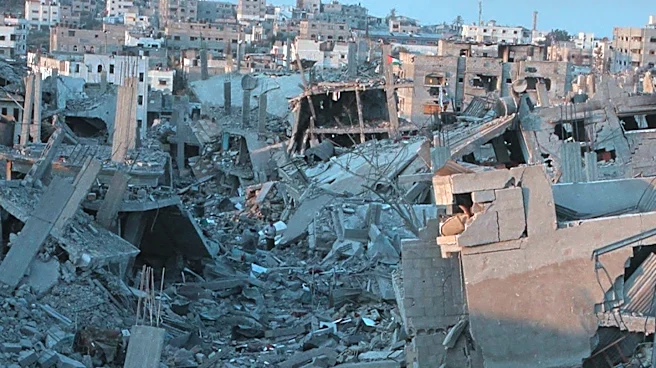
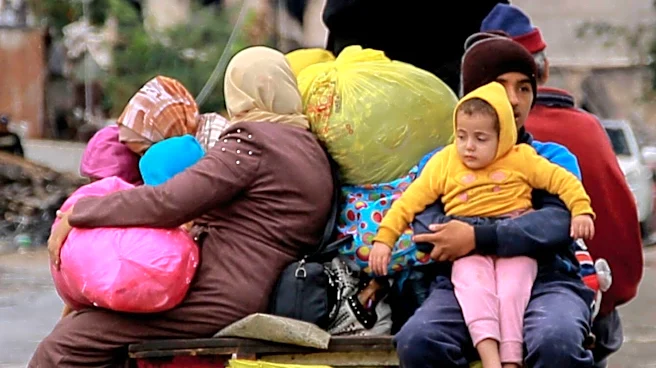
Sudanese civil society activists in exile are facing significant challenges, including forced silence, insecurity, and rising xenophobia in host countries, amidst the ongoing war in Sudan. An anonymous activist interviewed by CIVICUS highlighted that
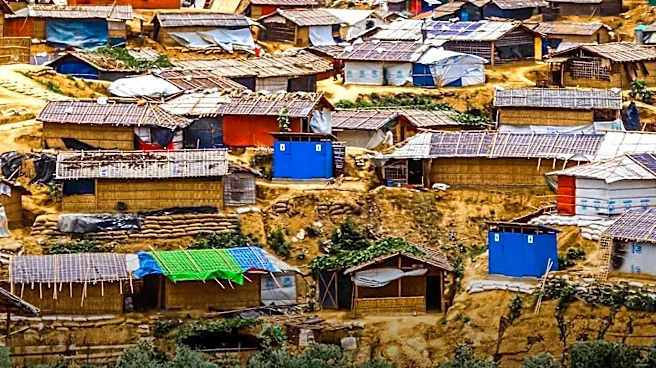
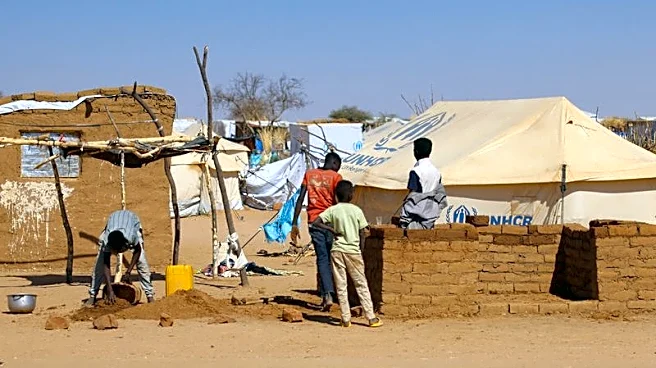
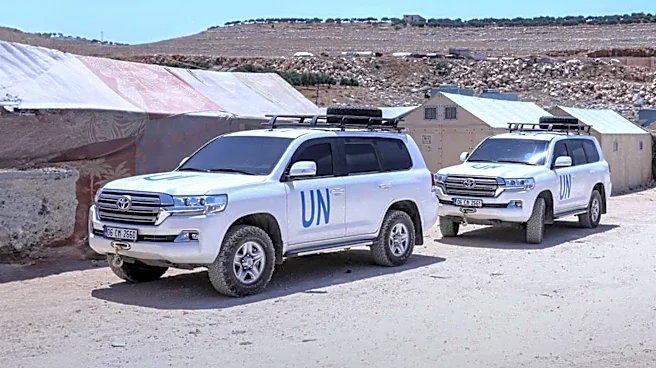
millions have been displaced, and those who reach neighboring countries struggle for safety and stability. Despite the immense suffering, the Sudanese crisis is not receiving adequate international attention. Activists, many of whom were drawn to human rights work due to gender-based injustice, are now documenting violations, advocating for peace, and providing humanitarian assistance from abroad. However, they encounter barriers such as movement restrictions, difficulties with residency documents, and the constant threat of deportation, compounded by propaganda portraying them as fugitives.
Why It's Important?
The struggles of Sudanese civil society activists in exile underscore the critical role of human rights defenders in conflict zones and the severe challenges they face when displaced. Their inability to freely advocate and document abuses due to insecurity and xenophobia not only silences crucial voices but also hinders international efforts to address the crisis in Sudan. The lack of international attention to the Sudanese conflict, despite its scale, suggests a broader issue of selective global engagement with humanitarian crises. This situation highlights the urgent need for host countries and the international community to provide better protection and support for exiled activists, ensuring they can continue their vital work without fear of reprisal or further marginalization.
What's Next?
To address these challenges, the anonymous activist strongly supports initiatives like the Borderless Africa campaign, which advocates for visa-free travel and a single continental passport across Africa. This reflects a broader call for dismantling legal and logistical barriers that prevent refugees from accessing basic rights and speaking out against injustices. Civil society organizations, both inside and outside Sudan, will likely continue their efforts to monitor human rights, document violations, and advocate for peace, despite the immense difficulties. Increased international awareness and support for these activists will be crucial to ensure their safety and the continuation of their work.
Beyond the Headlines
The experience of Sudanese civil society activists in exile reveals a profound ethical dilemma in international refugee and human rights policies. The 'shocking' reality of being silenced simply for being a refugee exposes a systemic failure to protect and empower those who have witnessed and are fighting against atrocities. This situation challenges the notion of universal human rights when their exercise is contingent on nationality or residency status. It also highlights the psychological burden carried by activists—the trauma of war, the guilt of being safe while family remains in danger, and the feeling of being unheard by global decision-makers. This narrative calls for a re-evaluation of how the international community supports and integrates displaced human rights defenders, moving beyond basic humanitarian aid to ensure their continued agency and contribution to global justice.