







What's Happening?
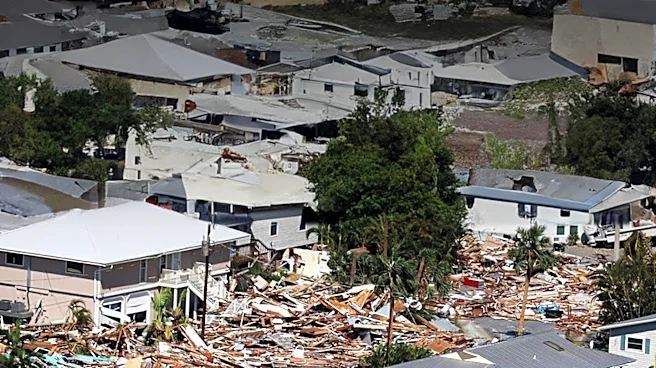
Governor Tim Walz has officially authorized state disaster assistance for Olmsted County, Minnesota, in response to severe storms that impacted the area in early September. The storms caused significant damage across the county, with the city of Rochester
experiencing the most concentrated impact. This authorization comes after Olmsted County had previously declared a state of local emergency following the September 2 storms. The funding provided by the state is specifically limited to addressing eligible public infrastructure damage. The total amount of assistance that will be disbursed is yet to be determined and will be finalized once all necessary documentation has been submitted and recovery work is completed. Notably, a prior request for disaster declaration by Olmsted County for damage from an April tornado outbreak was declined, primarily because the majority of that damage affected private property.
Why It's Important?
This authorization of state disaster assistance is crucial for Olmsted County as it provides much-needed financial support for the repair and rebuilding of public infrastructure damaged by the September storms. Without this aid, the burden of recovery would fall entirely on local resources, potentially straining municipal budgets and delaying essential repairs. The focus on public infrastructure ensures that critical services and facilities, which are vital for the community's functioning and safety, can be restored efficiently. This decision also highlights the state government's role in supporting local communities during times of crisis, demonstrating a commitment to regional resilience. The distinction between public and private property damage in disaster relief decisions is a significant aspect, influencing how and when state aid is allocated, and underscores the importance of local emergency declarations in initiating the process for state support.
What's Next?
Following Governor Walz's authorization, Olmsted County officials will proceed with submitting all required documentation related to the public infrastructure damage. This process will involve detailed assessments of the damage, cost estimations for repairs, and adherence to state guidelines for disaster relief funding. Once these documents are reviewed and approved, the state will determine the final amount of assistance to be provided. The recovery work on public infrastructure will then commence or continue, aiming to restore normalcy to the affected areas. Local leaders and emergency responders will continue to collaborate with state agencies to ensure a smooth and efficient recovery process. The community will likely see ongoing efforts to repair roads, public buildings, and other essential services in the coming months.
Beyond the Headlines
The approval of disaster assistance for Olmsted County underscores the increasing frequency and intensity of severe weather events, which are placing greater demands on state and local emergency management systems. This situation highlights the broader challenge faced by communities across the U.S. in adapting to climate-related impacts and securing adequate funding for recovery and resilience. The distinction between public and private property damage in disaster aid eligibility also raises questions about comprehensive support for affected residents and businesses, suggesting potential gaps in current disaster relief frameworks. This event could prompt discussions at the state level regarding policies for broader disaster coverage, including mechanisms to support private property owners, and the need for enhanced preventative measures to mitigate future storm damage.