







What's Happening?
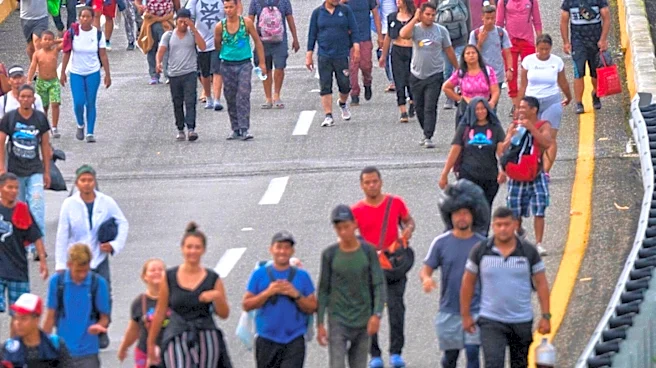
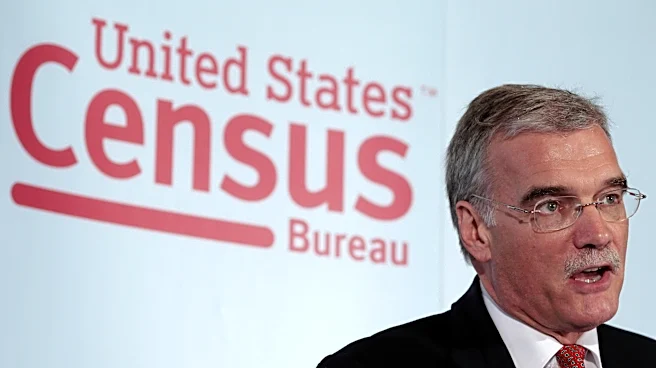
The United States is experiencing a significant decline in immigration, which is affecting the country's population growth. According to the Census Bureau, net international migration peaked at 2.7 million in 2024 but fell to 1.3 million in 2025. It is projected
to decline further to approximately 321,000 in 2026 if current trends continue. This decline in immigration is the primary reason for the slowed population growth rate, which was recorded at 0.5 percent between July 2024 and July 2025, the lowest since the COVID-19 pandemic. Experts like William H. Frey from Brookings Metro argue that continued immigration is essential to prevent the rapid aging of the U.S. workforce and to avoid a population decline. However, Steven Camarota from the Center for Immigration Studies suggests that the impact of immigration on the workforce's age structure is overstated.
Why It's Important?
The decline in immigration has significant implications for the U.S. economy and society. A reduced influx of immigrants could lead to a rapidly aging population, which may strain social services like Medicare and the Social Security Trust Fund. This demographic shift could also result in a smaller workforce, potentially impacting economic productivity and growth. While some argue that immigration helps maintain a younger population, others believe that the benefits are overstated, as immigrants also age and their fertility rates have declined. The debate over immigration's role in shaping the U.S. workforce and economy remains contentious, with differing views on how it affects the country's demographic and economic future.
What's Next?
If the current trend of declining immigration continues, the U.S. may face challenges related to an aging population and a shrinking workforce. Policymakers may need to consider strategies to attract immigrants to sustain economic growth and support social services. The upcoming midterm elections and the 2028 presidential election could influence immigration policies, as public opinion on immigration remains divided. The outcome of these elections may determine the future direction of U.S. immigration policy and its impact on the nation's demographic and economic landscape.
Beyond the Headlines
The decline in immigration also has cultural and social implications. As the U.S. becomes more diverse, immigration plays a crucial role in shaping the country's ethnic composition. A reduction in immigration could slow this diversification, affecting cultural dynamics and social cohesion. Additionally, the debate over immigration reflects broader societal tensions and differing views on national identity and economic priorities. Understanding these deeper implications is essential for addressing the complex challenges associated with immigration and population growth.