


What's Happening?
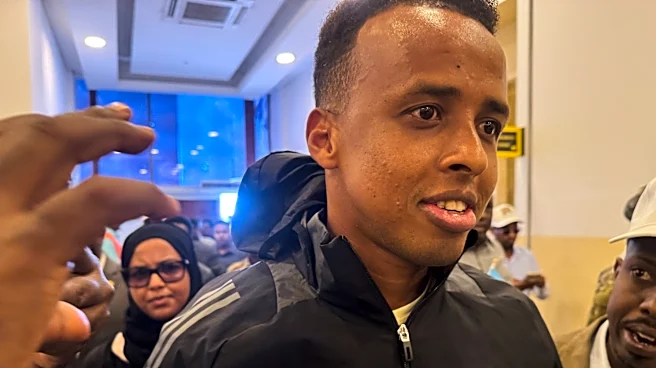
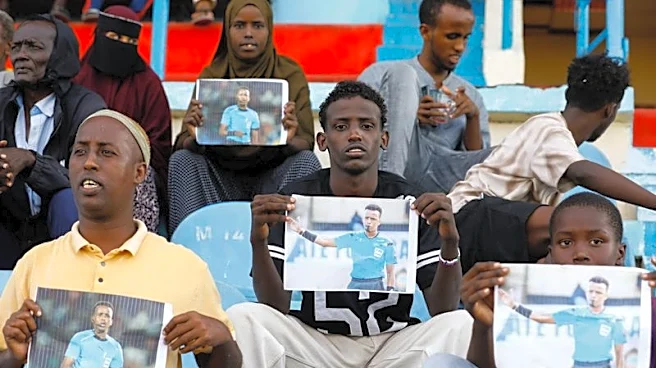
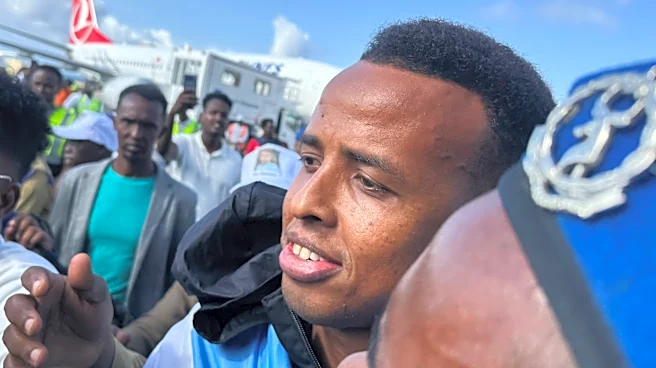
Omar Artan, a Somali referee set to officiate at the 2026 World Cup, was denied entry into the United States by Customs and Border Protection (CBP) officials. Artan arrived in Miami for a mandatory training session for World Cup officials but was detained
for 11 hours and subsequently deported to Istanbul without a clear explanation. CBP cited 'vetting concerns' as the reason for his denied entry. Artan, recognized as the top male referee by the Confederation of African Football, expressed his disappointment at missing what he described as 'the biggest dream' of his life. FIFA, the governing body of the World Cup, has distanced itself from the incident, stating that it is not involved in host country immigration processes.
Why It's Important?
This incident highlights the ongoing challenges and controversies surrounding U.S. immigration policies, particularly under the Trump administration's travel ban affecting several Muslim-majority countries, including Somalia. The denial of entry to a high-profile sports official underscores the broader implications of these policies on international events and relations. It raises questions about the fairness and transparency of the vetting process, potentially affecting the U.S.'s reputation as a host nation for global events. The situation also reflects the tension between national security measures and international cooperation in sports, which could have long-term impacts on the U.S.'s ability to host future international competitions.
What's Next?
The incident may prompt discussions within FIFA and other international sports organizations about the implications of U.S. immigration policies on global sporting events. There could be increased pressure on the U.S. to clarify its vetting procedures and ensure that exceptions promised for major events are honored. Additionally, this situation might lead to diplomatic discussions between the U.S. and affected countries to address concerns over the travel ban and its impact on international relations. Stakeholders in the sports community may advocate for more transparent and fair immigration processes to prevent similar incidents in the future.