


What's Happening?
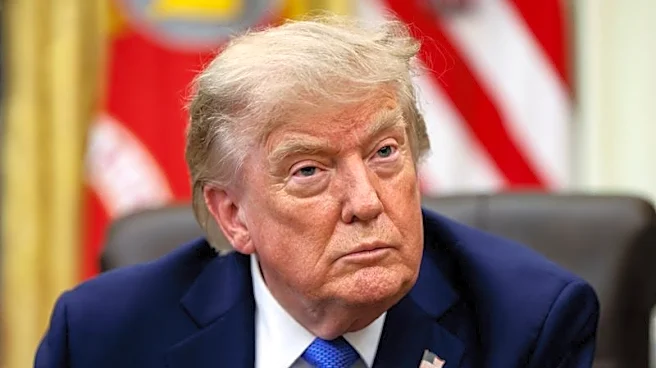
A bipartisan group of influential U.S. senators and congressmen has called on President Trump’s administration to reinstate sanctions on officials from Republika Srpska. These sanctions were lifted in October of the previous year. The request follows
recent hearings in Republika Srpska involving current and former associates of the Srebrenica Memorial Center, who were involved in creating reports on genocide denial. The lawmakers expressed deep concern over these developments in a joint statement. The signatories include Senator Jeanne Shaheen, Chairman of the Senate Armed Services Committee Roger Wicker, Chairman of the Senate Judiciary Committee Chuck Grassley, Senator Dick Durbin, Congressman Bill Keating, and Congressman Mike Turner. They urged the administration to apply provisions of the current year's Defense Act, which mandates sanctions against individuals deemed a threat to the security, stability, or territorial integrity of Western Balkan states. The White House and State Department have yet to comment on this request.
Why It's Important?
The call for reinstating sanctions highlights ongoing tensions in U.S. foreign policy regarding the Western Balkans. The sanctions, if reimposed, could significantly impact the political dynamics in Republika Srpska and its relations with the U.S. The move underscores the U.S. commitment to addressing issues of genocide denial and maintaining stability in the region. It also reflects broader geopolitical strategies, as the U.S. seeks to counteract influences that threaten regional security. The decision could affect diplomatic relations and economic interests, particularly in light of Republika Srpska's lobbying efforts in Washington. The situation also raises questions about the U.S.'s role in international justice and its stance on human rights issues.
What's Next?
If the sanctions are reinstated, it could lead to increased diplomatic tensions between the U.S. and Republika Srpska. The decision may prompt reactions from international bodies and other countries involved in the region. It could also influence ongoing discussions about the successor to the High Representative in Bosnia and Herzegovina, a position currently in flux. The U.S. administration's response to this request will be closely watched by international observers and could set a precedent for future U.S. actions in the Balkans.