







What's Happening?
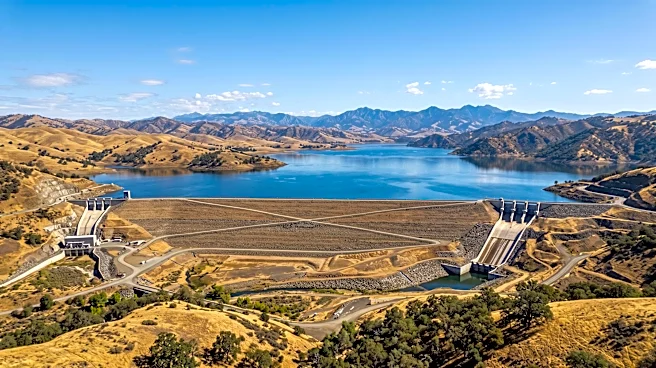
California has cleared the final permit for the Sites Reservoir, marking a significant step forward for the largest new reservoir in the state in over 50 years. Located in Glenn and Colusa counties, the 1.5 million-acre-foot reservoir is designed to capture
water from the Sacramento River during high-flow periods and store it for use during prolonged dry conditions. Congressman Mike Thompson (CA-04) has been an early supporter, securing funding through the Bipartisan Infrastructure Law. The project has now received all necessary regulatory approvals, allowing construction to begin. The reservoir aims to boost California's water supply, providing enough water to supply over 4.5 million homes for one year, and will not block fish migration or spawning as it sits off the river. Governor Gavin Newsom's administration has advanced the project through major state investments, streamlined environmental review, and coordination with project partners, bringing the total eligible state funding to approximately $1.36 billion.
Why It's Important?
This project is crucial for California's water future, as the state faces unprecedented pressure on its water supplies due to rising temperatures and intensifying swings between drought and flooding. State projections indicate a potential 10% loss of water supply by 2040, and a decline in the reliability of the State Water Project by as much as 23%. The Sites Reservoir will enhance the state's resilience to climate change by capturing water during wet periods for use in dry years, providing flood management benefits, and delivering water to wildlife refuges. It represents a significant investment in modern infrastructure to secure water for communities, the economy, and the environment. The project is also expected to create jobs and support agriculture, addressing critical needs for both urban and rural areas across California.
What's Next?
With all regulatory approvals secured, the Sites Project Authority and participating water agencies will now focus on advancing the necessary financing to begin construction. The project is poised to break ground, transitioning from decades of planning into tangible action. Once completed, the reservoir will provide up to 200,000 acre-feet of water for use during emergency-declared droughts and create new recreational opportunities for an estimated 187,000 visitors annually. The successful implementation of this project will serve as a model for other states grappling with water scarcity and the impacts of climate change, demonstrating how strategic infrastructure investments can enhance water security and environmental sustainability.
Beyond the Headlines
The Sites Reservoir project highlights the complex interplay between environmental conservation, economic development, and political will in addressing critical infrastructure needs. Its design, which avoids blocking fish migration, reflects a modern approach to water management that seeks to balance human needs with ecological considerations. The project's long development timeline, spanning decades, underscores the challenges inherent in large-scale infrastructure projects, including regulatory hurdles, funding acquisition, and stakeholder consensus-building. The bipartisan support and significant state investment demonstrate a recognition of the urgent need for water resilience in a changing climate, potentially setting a precedent for future water infrastructure initiatives across the nation. This development also emphasizes the importance of proactive measures to adapt to climate change rather than solely reacting to its consequences.