






What's Happening?
Foreign citizens seeking employment in the United States generally must obtain an appropriate work visa, which typically requires a job offer from a U.S.-based employer acting as a sponsor. While U.S. citizens and permanent residents can work without
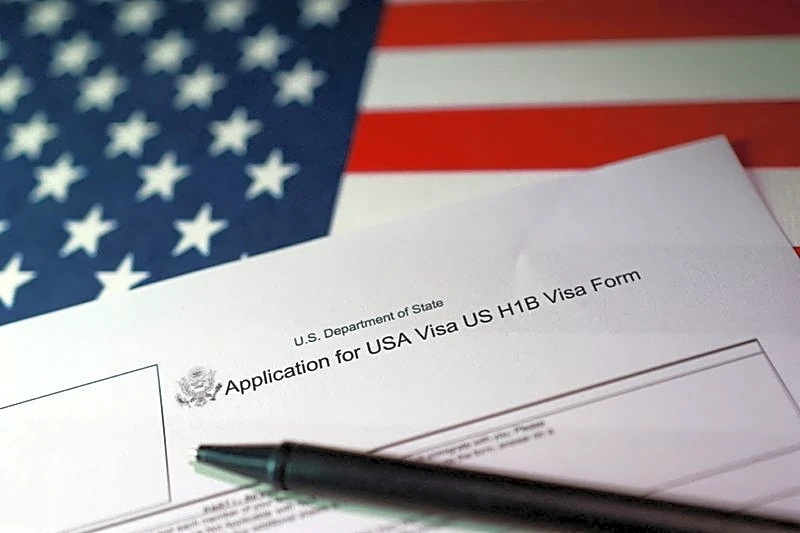
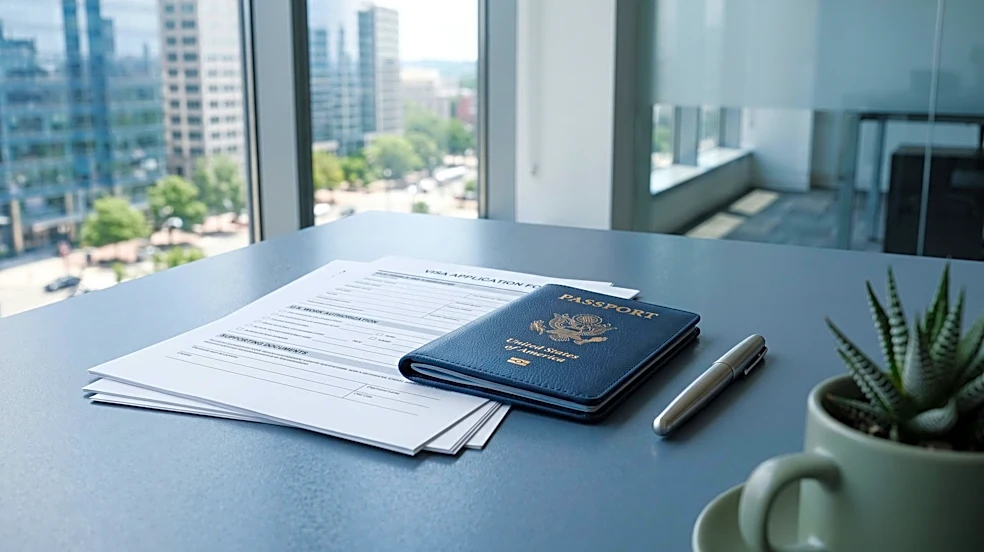
authorization, most foreign nationals need specific work permits. The U.S. work visa system includes both permanent residence (immigrant) visas, known as employment-based green cards, and temporary (nonimmigrant) work visas. Each category has distinct requirements and application processes, often involving the U.S. Citizenship and Immigration Services (USCIS) and the Department of Labor (DOL). For many temporary visas, such as the H1B, the employer must obtain a certification from the DOL to demonstrate a genuine need for a foreign worker and to ensure U.S. workers are not adversely affected. The application process for both permanent and temporary visas involves submitting various documents, including a valid passport, photographs, and proof of application fees, and often culminates in an immigration interview.
Why It's Important?
The stringent requirements for U.S. work visas significantly impact the American labor market and economy. The necessity of a job offer and employer sponsorship for most foreign workers means that U.S. businesses play a critical role in facilitating international talent acquisition. This system aims to protect the domestic workforce by requiring employers to justify the need for foreign labor, particularly for visas like the H1B. For industries reliant on specialized skills or facing labor shortages, the ability to sponsor foreign workers is crucial for maintaining competitiveness and innovation. Conversely, the complexity and potential backlogs in the visa process can deter some international professionals from seeking opportunities in the U.S., potentially leading to a brain drain or limiting the diversity of the workforce. The system also provides pathways to permanent residency for highly skilled individuals, contributing to the long-term growth and demographic shifts within the U.S.
What's Next?
Foreign nationals interested in working in the U.S. will continue to navigate a multi-step application process that largely depends on employer sponsorship. Prospective employers will need to remain diligent in filing petitions with USCIS and, for certain visas, obtaining labor certifications from the DOL. Applicants should anticipate providing extensive documentation and potentially attending immigration interviews. The ongoing evolution of immigration legislation means that specific requirements and processing times for various visa categories may change. Individuals on temporary work visas who wish to remain in the U.S. long-term may explore options to adjust their status to permanent residency, provided their current visa category allows for such a transition. Staying informed about the latest criteria and working with immigration experts will be crucial for successful applications.
Beyond the Headlines
The U.S. work visa system reflects a delicate balance between economic needs, national security, and social considerations. Beyond the procedural aspects, the system raises broader questions about global talent mobility, the ethics of labor recruitment, and the integration of immigrant populations. The requirement for employer sponsorship can create power imbalances, potentially making foreign workers more vulnerable to exploitation or limiting their career flexibility. Furthermore, the emphasis on specific skill sets and educational qualifications in many visa categories shapes the demographic and professional landscape of the U.S. workforce. The long-term implications include how the U.S. positions itself as a global leader in innovation and research, its ability to attract and retain top talent, and the ongoing debate about comprehensive immigration reform that addresses both economic demands and humanitarian concerns.