









What's Happening?
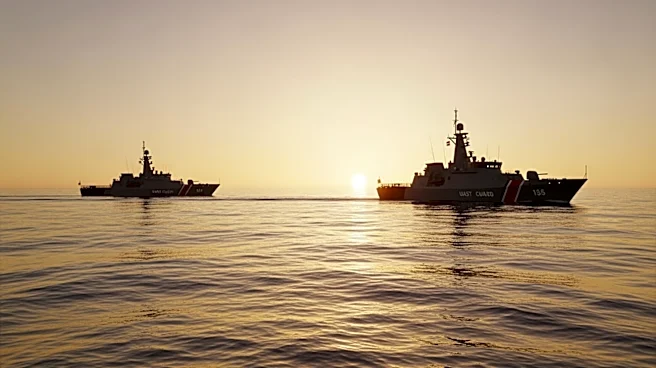
Taiwan's coast guard has declared that its maritime sovereignty cannot be violated, following the conclusion of a Chinese patrol off Taiwan's eastern shores. This statement comes after China conducted a 'special maritime traffic law-enforcement operation'
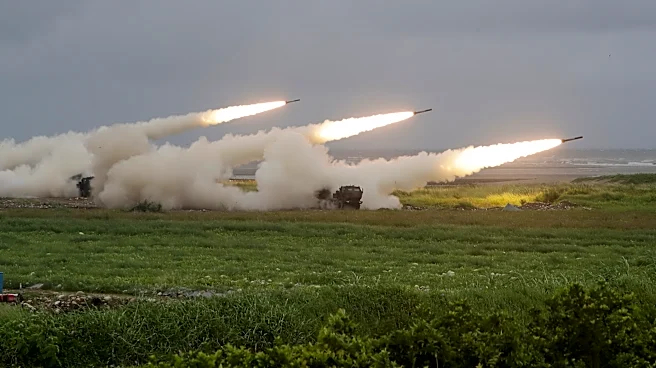
in response to Japan and the Philippines' decision to begin formal talks on their maritime boundaries, which China views as involving waters off Taiwan. During the patrol, Chinese ships inspected 198 vessels and addressed violations involving three ships. Taiwan's coast guard has stated that it will forcefully drive away any Chinese ships that appear in its waters, maintaining freedom and safety of navigation. Taiwan's government, led by President Lai Ching-te, insists that only the island's people can decide their future, despite China's claims over Taiwan and its frequent military operations around the island.
Why It's Important?
The situation underscores the ongoing tensions between Taiwan and China, with significant implications for regional stability and international relations. Taiwan's firm stance on its maritime sovereignty highlights its resistance to Chinese territorial claims and military pressure. This development is crucial for the United States, which, while not recognizing Taiwan as a separate country, opposes any forceful change to its status and is a major supplier of defense weaponry to Taiwan. The U.S. and its allies, including Japan and the Philippines, are closely monitoring these developments, as they could impact security dynamics in the Asia-Pacific region. The situation also affects global shipping routes and economic interests, given the strategic importance of the Taiwan Strait.
What's Next?
Taiwan is likely to continue its defensive posture, reinforcing its maritime boundaries and seeking international support to counter China's claims. The U.S. and its allies may increase diplomatic and military support for Taiwan, potentially leading to heightened tensions with China. Future interactions between Chinese and Taiwanese vessels could escalate, prompting international calls for dialogue and conflict resolution. The situation may also influence upcoming regional security discussions and agreements, as countries in the Asia-Pacific region reassess their strategies in light of China's actions.