







What's Happening?
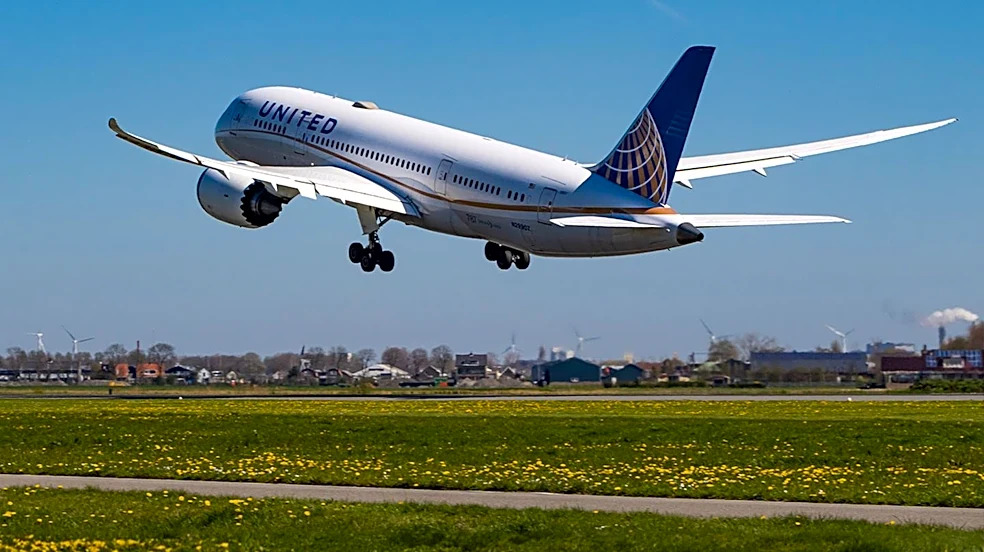
United Airlines and the Houston Airport System have officially unveiled the extensively renovated Terminal B at George Bush Intercontinental Airport (IAH) in North Houston. The transformation, which involved an investment exceeding $2.6 billion, is set
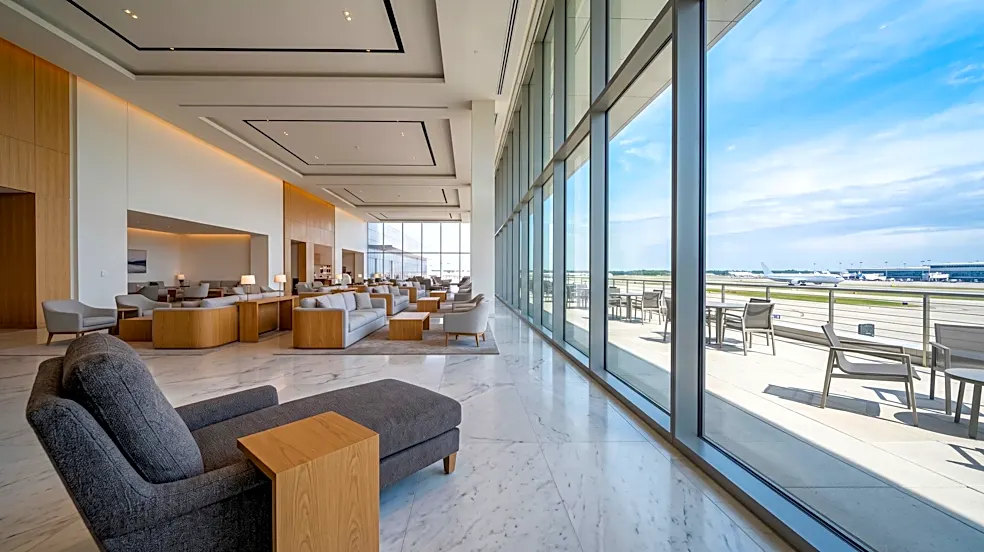
to open to passengers on October 22, 2026. Originally built in 1969, the modernized terminal is projected to triple its passenger capacity, featuring 40 new gates designed to accommodate the increasing demand for both domestic and international flights, including those operated by United’s latest narrowbody aircraft. The project includes a revitalized Terminal B lobby with a new ticketing hall, security checkpoint, and baggage claim hall capable of handling up to 36 million passengers annually. Additionally, the Terminal B North concourse now offers 22 narrow-body gates, while the Terminal B South concourse has been reconfigured to 26 gates for regional jets, with all flights now boarding via jet bridge. A significant highlight is the new 54,000-square-foot United Club, the largest airline lounge in the Americas, offering seating for 800 passengers across four distinct areas, including an outdoor terrace.
Why It's Important?
This massive infrastructure upgrade at IAH is crucial for enhancing the passenger experience and supporting United Airlines' continued expansion in Houston, a key hub for the airline. By tripling passenger capacity and adding new gates, the airport is better positioned to manage growing air travel demand, which has significant economic implications for the region. The introduction of a state-of-the-art terminal and the largest United Club in the Americas elevates the airport's status, potentially attracting more business and leisure travelers. This investment also reflects a broader trend in the U.S. aviation industry towards modernizing aging airport infrastructure to improve efficiency, comfort, and operational capabilities. The focus on sustainability, with the terminal designed to LEED Gold standards, sets a precedent for environmentally responsible development in large-scale public projects, aligning with increasing demands for green infrastructure.
What's Next?
The first phase of the new Terminal B will open to passengers on October 22, 2026, marking the beginning of enhanced operations and passenger services. United Airlines plans to leverage this expanded capacity by launching new flights from Houston to three international destinations this winter: Tuxtla Gutiérrez (TGZ), Mexico; Cartagena (CTG), Colombia; and Caracas (CCS), Venezuela. The full impact of the terminal's increased capacity and improved facilities will unfold as passenger traffic grows and new routes are introduced. Further developments might include additional concession offerings and continued integration of technology to streamline the travel process. The success of this redevelopment could also influence future modernization projects at other major U.S. airports, as stakeholders observe the operational and economic benefits of such significant investments.
Beyond the Headlines
The transformation of IAH's Terminal B extends beyond mere operational improvements; it represents a significant investment in regional connectivity and global competitiveness. The inclusion of amenities like a sensory room, a multimedia play park, and comfort zones for disabled passengers reflects a growing awareness of diverse traveler needs, moving beyond basic functionality to create a more inclusive and user-friendly airport environment. The Texas-themed lounges within the United Club, such as the Lasso Lounge and Moonshot Lounge, aim to provide a unique sense of place, enhancing the travel experience by integrating local culture. This project also underscores the complex public-private partnerships often required for large-scale infrastructure developments, involving collaboration between airlines, airport authorities, and various contractors. The LEED Gold certification highlights a commitment to environmental stewardship, setting a benchmark for sustainable airport design and construction in the U.S. aviation sector.