






What's Happening?
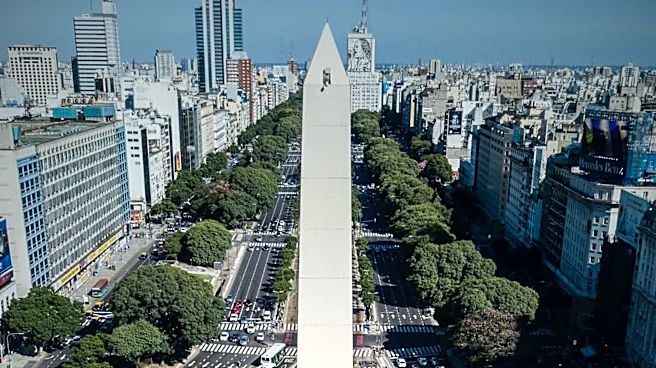
Buenos Aires, Argentina, is highlighted as a city rich in culture, history, and economic opportunities, particularly for tourists. The city is known for its vibrant atmosphere, tango, and numerous festivals. Visitors can explore its nostalgic old-world
charm in cafes and stores, alongside a dynamic contemporary art scene. Key attractions include the historic Plaza de Mayo, surrounded by significant buildings like the Casa Rosada and the Metropolitan Cathedral, which has historically served as a gathering place for political and social events. The city also offers unique shopping experiences, especially for leather goods, with Silvia y Mario noted as a prominent retailer. La Boca, an old port district, is famous for its brightly painted buildings, tango dancers, and the iconic Caminito. The city's strong connection to soccer, particularly the Boca Juniors club, is also a significant cultural element. Safety for tourists is generally good in popular areas, though common urban issues like pickpocketing are noted.
Why It's Important?
The cultural and economic vibrancy of Buenos Aires presents significant opportunities for the tourism sector, attracting international visitors and contributing to local businesses. The city's reputation for high-quality leather goods, exemplified by stores like Silvia y Mario, supports local artisans and provides unique retail experiences. The historical significance of Plaza de Mayo, as a site of both celebration and protest, offers a deep dive into Argentina's past, including the poignant history of the Madres de Plaza de Mayo. This historical context enriches the visitor experience and provides a deeper understanding of the nation's social fabric. The colorful and lively atmosphere of neighborhoods like La Boca, with its tango culture and soccer enthusiasm, creates a distinct identity that draws tourists seeking authentic cultural immersion. The overall appeal of Buenos Aires as a tourist destination contributes to the global travel industry and fosters cultural exchange.
What's Next?
Buenos Aires is expected to continue leveraging its cultural assets to attract tourists, potentially through further development of its historical sites, cultural festivals, and shopping districts. The city's ongoing efforts to maintain safety in tourist-heavy areas will be crucial for sustaining its appeal. Local businesses, particularly those in the leather goods sector, may see continued demand from international visitors. The city's vibrant arts and entertainment scene, including tango performances and live music, will likely remain a draw, potentially leading to new cultural initiatives and events. The strong local passion for soccer, particularly around clubs like Boca Juniors, could also be further integrated into tourist experiences, offering unique insights into Argentine daily life and traditions.
Beyond the Headlines
Beyond its immediate tourist appeal, Buenos Aires embodies a complex interplay of history, resilience, and artistic expression. The enduring presence of the Madres de Plaza de Mayo at Plaza de Mayo serves as a powerful reminder of human rights struggles and the importance of collective memory, offering a profound ethical dimension to the city's historical narrative. The architectural and cultural preservation efforts in areas like La Boca reflect a commitment to maintaining the city's unique identity amidst modernization. The blend of European influences with distinct Latin American characteristics creates a rich cultural tapestry that fosters a deeper understanding of global interconnectedness. The city's ability to balance its historical legacy with a dynamic contemporary scene highlights its adaptive nature and its role as a cultural hub in South America.