



What's Happening?
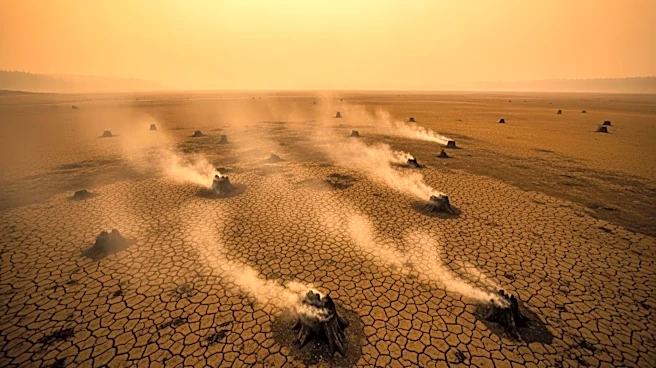
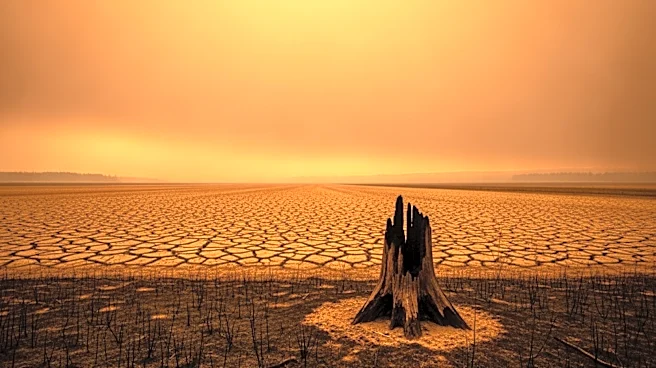
Wildfires are rapidly spreading across the United States, fueled by prolonged drought conditions and climate change. Since January 1, nearly 19,000 fires have ignited, significantly above the average for the past decade. These fires have scorched approximately
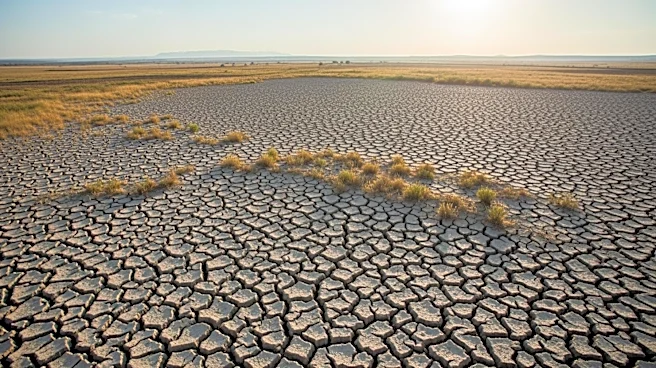
1 million acres of land, particularly affecting cattle grazing areas in the Great Plains and tourism in the Everglades. The drought now spans half the country, leaving dry grass and brush susceptible to ignition. Recent fires in Kansas, Oklahoma, and Nebraska have resulted in at least five deaths, with communities rallying to support affected ranchers. The early surge in wildfires highlights the increasing risk as climate change extends fire seasons, leading to costly consequences for utilities and insurers.
Why It's Important?
The intensification of wildfires poses significant challenges for firefighting resources and has economic implications for affected regions. Utilities may face liabilities when their equipment ignites fires, prompting insurers to withdraw from high-risk areas. The destruction of homes and infrastructure in states like California and Hawaii has resulted in billions of dollars in liabilities for companies such as PG&E Corp. and Hawaiian Electric Industries Inc. The ongoing drought exacerbates these risks, with the potential for prolonged fire danger if conditions do not improve. The situation underscores the need for effective wildfire management and climate adaptation strategies to mitigate future impacts.
What's Next?
Efforts to reduce fire risk will require sustained rainfall, particularly in regions like Florida, where dry conditions persist. Forecasts suggest wetter-than-normal conditions may arrive later this month, potentially easing fire risk. However, the rainfall deficit remains severe, and the drought's extension into spring could prolong fire danger. Stakeholders, including climatologists and firefighting agencies, are closely monitoring weather patterns to anticipate changes in fire risk and resource allocation. Community support and mutual aid programs continue to play a crucial role in assisting affected ranchers and businesses.
Beyond the Headlines
The current wildfire situation highlights broader environmental and economic challenges associated with climate change. The increasing frequency and intensity of wildfires may prompt discussions on sustainable land management practices and the role of climate policy in mitigating future risks. Additionally, the economic burden on utilities and insurers could lead to shifts in industry practices and regulatory frameworks. The cultural impact on communities affected by wildfires, including disruptions to daily life and local economies, underscores the need for comprehensive disaster preparedness and resilience planning.