


What's Happening?
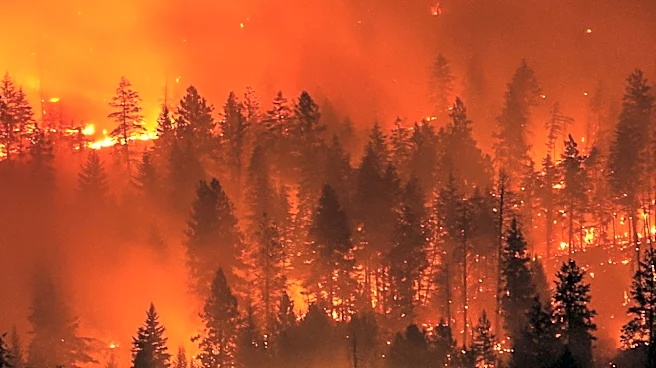
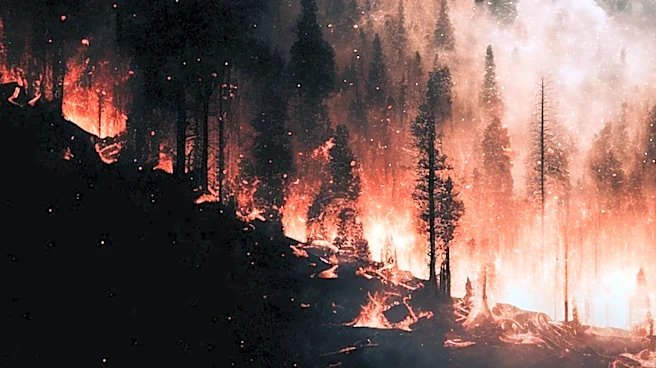
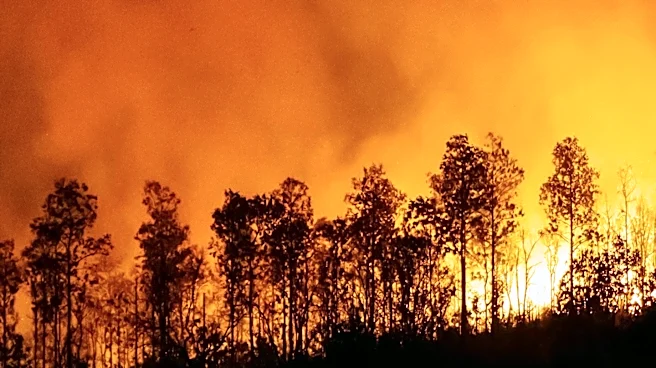
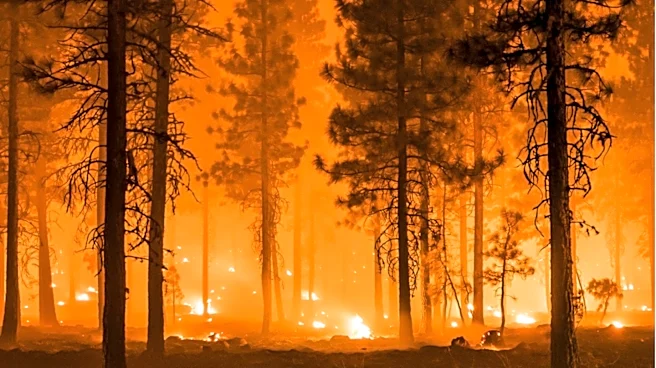
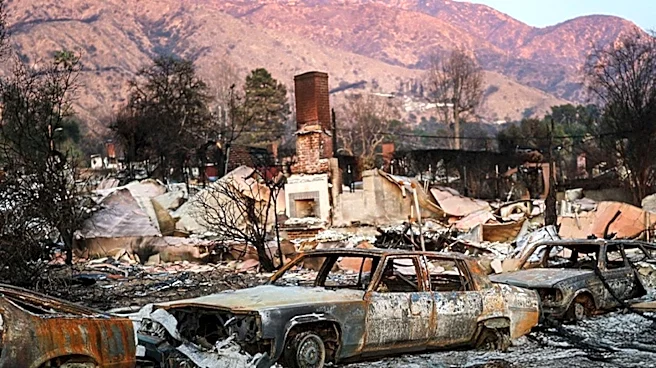
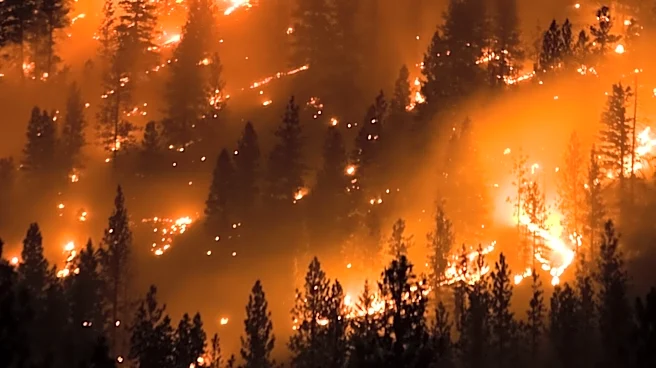
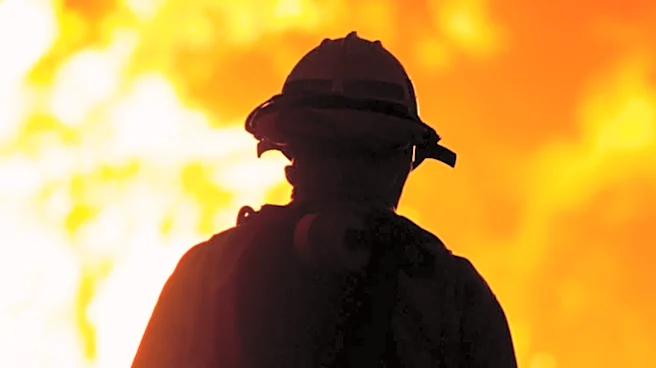
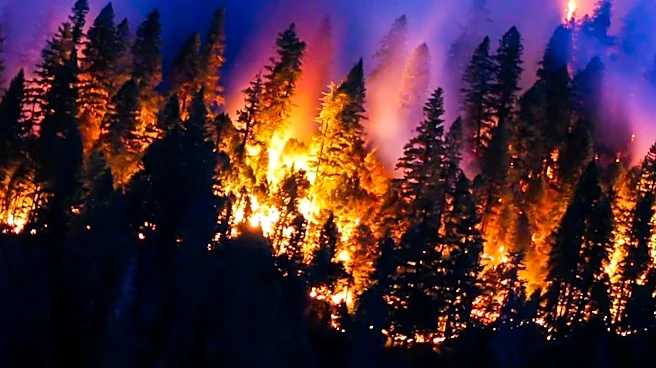
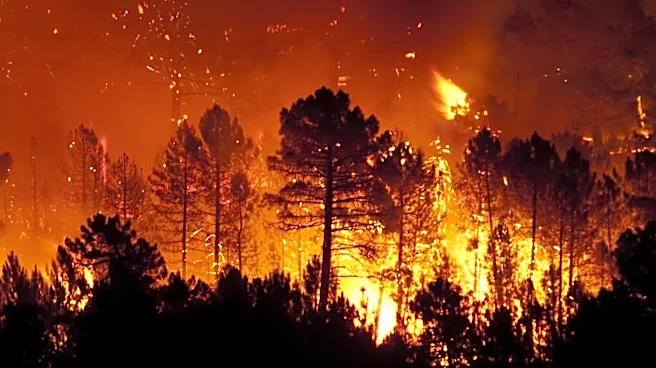
The Aspen Acres Fire in Colorado has rapidly expanded, forcing thousands of residents to evacuate. The wildfire, which has grown to cover 272 square kilometers, has destroyed over 160 structures. The fire is one of approximately 40 large wildfires currently
burning across the western United States. Authorities have ordered evacuations in several communities, including Colorado City, Beulah, Rye, and San Isabel. The fire's rapid spread is attributed to months of dry weather and record-low snowfall, conditions exacerbated by climate change.
Why It's Important?
The Aspen Acres Fire highlights the increasing frequency and intensity of wildfires in the western United States, a trend linked to climate change. The destruction of homes and the displacement of thousands of residents underscore the urgent need for effective wildfire management and climate adaptation strategies. The fire also poses significant risks to public safety and infrastructure, with smoke affecting visibility and travel. The situation calls for coordinated efforts from emergency services and government agencies to mitigate the impact and prevent future occurrences.
What's Next?
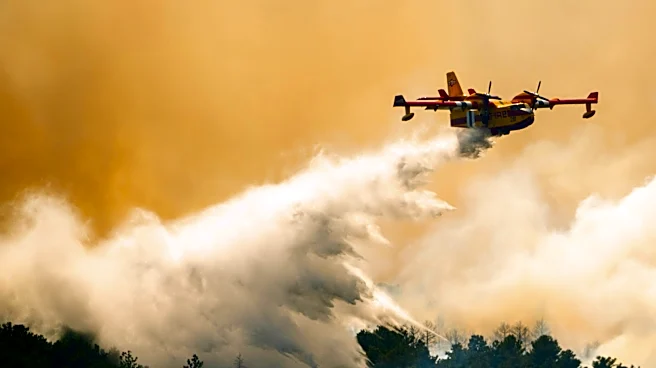
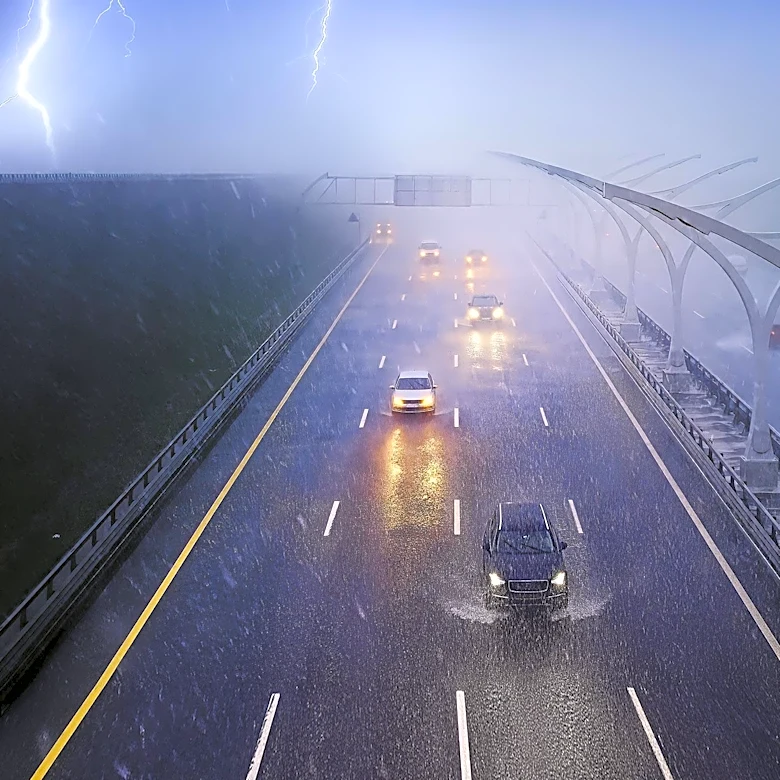
As the fire continues to spread, efforts are underway to contain it and protect affected communities. The Colorado National Guard has been deployed to assist with road checkpoints and support firefighting efforts. Weather forecasts suggest that moister conditions over the weekend may help reduce fire risks, but there is also a concern about potential flash flooding in recently burned areas. Authorities are likely to maintain fire restrictions and cancel public events, such as fireworks displays, to prevent further incidents.