



What's Happening?
Cornell University is poised to potentially receive a portion of a $30 million federal settlement to enhance its digital agriculture initiatives. This funding is part of a larger $60 million settlement with the Trump administration, aimed at advancing
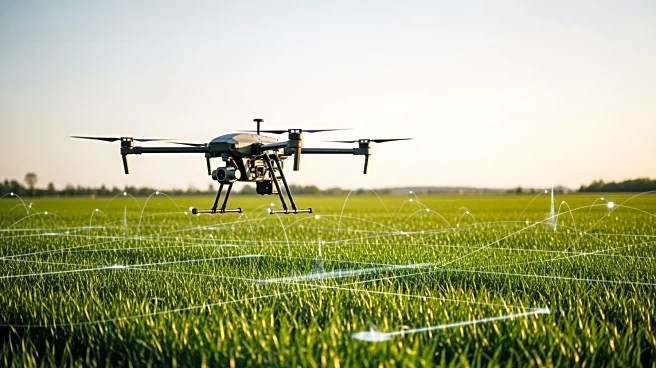
agricultural research. The settlement specifies investment in digital agriculture, which involves using technology and data to improve farming efficiency. Professor Julio Giordano, associated with the Cornell Institute of Digital Agriculture (CIDA), expressed optimism that the funds will bolster existing infrastructure for digital agriculture research. CIDA is known for its cross-disciplinary approach, providing seed grants to projects that foster collaboration across different colleges. These grants have successfully attracted significant additional funding from federal and industry sources.
Why It's Important?
The potential influx of settlement funds into Cornell's digital agriculture program could significantly impact the agricultural sector by promoting more efficient and sustainable farming practices. By integrating technology such as artificial intelligence and robotics, digital agriculture can lower production costs and enhance productivity, directly benefiting U.S. farmers. This initiative aligns with broader efforts to ensure a sustainable future for food production, addressing challenges like food security and environmental sustainability. The investment in digital agriculture also supports educational programs, preparing students to contribute to the evolving agricultural landscape, thereby strengthening the workforce needed for future innovations.
What's Next?
If the funding is allocated to Cornell, it is expected to enhance the university's research capabilities and infrastructure in digital agriculture. This could lead to the development of new technologies and methodologies that further integrate digital tools into farming practices. The university's ongoing projects, such as those at Cornell AgriTech, may see expanded resources and opportunities for collaboration with industry and government partners. Additionally, the educational programs at Cornell, including courses and workshops, will likely continue to evolve, attracting more students and researchers to the field of digital agriculture.
Beyond the Headlines
The emphasis on digital agriculture at Cornell highlights a shift towards more technologically integrated farming practices, which could redefine traditional agricultural methods. This transition may raise ethical and cultural questions about the role of technology in food production and its impact on rural communities. As digital agriculture becomes more prevalent, there may be increased scrutiny on data privacy and the equitable distribution of technological advancements across different farming operations. Furthermore, the collaboration between academia, industry, and government in this field could set a precedent for future public-private partnerships in agricultural innovation.