






What's Happening?
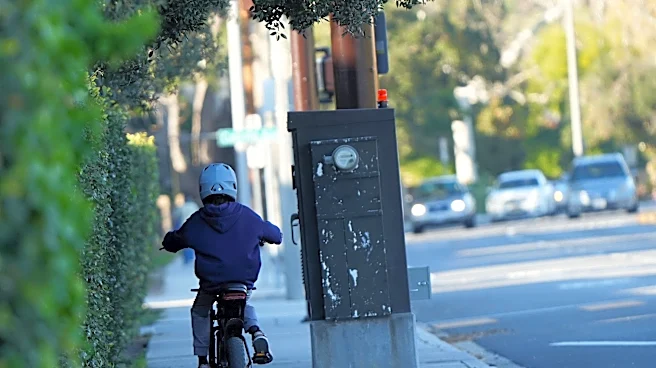
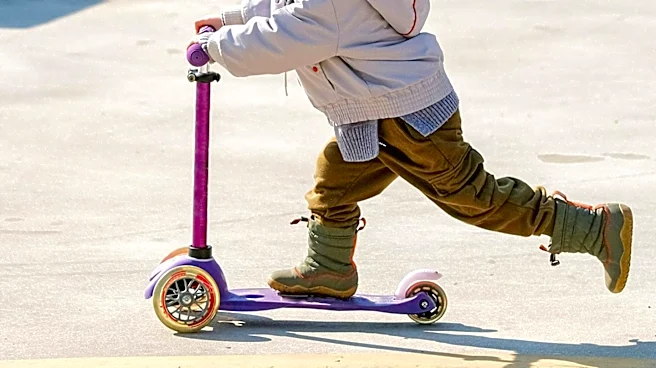
Emergency room doctors across Massachusetts are reporting a dramatic increase in severe injuries among children involved in electric bike (e-bike) and electric scooter crashes this summer. Physicians at major pediatric trauma centers, including Mass General
Brigham for Children and UMass Memorial Medical Center, note a significant rise in traumatic brain injuries and other serious harm, often more severe than those from traditional bicycle accidents. Dr. Errol Mortimer, a pediatric orthopedic surgeon at UMass Memorial, estimated a 'tenfold increase' in e-bike-related ER visits over the past year. Police departments are also struggling with the issue, citing instances of young riders modifying e-bikes to exceed speed limits and operating them recklessly. The current regulations for these devices are described as uneven and outdated, leading to a patchwork of local ordinances and a lack of clear statewide guidance.
Why It's Important?
The surge in child e-bike and scooter injuries highlights a critical public safety concern in Massachusetts, impacting the health and well-being of young individuals. The severity of these injuries, often involving high speeds and heavier vehicles, places a significant burden on healthcare systems and families. The lack of consistent statewide regulations creates confusion for riders, law enforcement, and parents, hindering effective enforcement and prevention efforts. This situation underscores the challenge of rapidly evolving technology outpacing regulatory frameworks, leaving a gap in public safety. The issue also touches upon parental responsibility and awareness, as many parents reportedly purchase these devices without fully understanding the associated risks and regulations. The call for tougher rules and clearer guidelines from the state reflects a growing recognition of the need for a standardized approach to ensure child safety.
What's Next?
Massachusetts Governor Maura Healey has filed the 'Ride Safe Act,' a bill aimed at classifying powered devices by top speed and restricting access for individuals under 16 if devices exceed 20 miles per hour. This bill has garnered support from legislative leaders and is currently part of a broader economic development package pending in the Statehouse. Physicians are expressing concern about a potential further increase in injuries as children return to school in the fall and use e-bikes for commuting. Local police departments, like Milford, are issuing public safety warnings and advocating for statewide standards. The legislative process for the 'Ride Safe Act' will be crucial in determining the future regulatory landscape for e-bikes and scooters in Massachusetts, with potential implications for age restrictions, speed limits, and helmet requirements. The outcome will likely influence how other states address similar public safety challenges posed by emerging personal transportation technologies.
Beyond the Headlines
Beyond the immediate safety concerns, the rise in e-bike and scooter injuries among children points to broader societal shifts in transportation and recreation. The appeal of these devices, offering speed and convenience, has led to widespread adoption, particularly among younger demographics. However, the incidents reveal a gap in education regarding safe operation, traffic laws, and the physical capabilities required to handle these machines. The debate over regulation also touches on individual freedoms versus public safety, with some communities pushing back against stricter rules. This situation could lead to increased public awareness campaigns, educational initiatives for riders and parents, and potentially new product safety standards for e-bikes and scooters marketed to minors. The long-term implications could include changes in urban planning to accommodate these devices safely, and a re-evaluation of how new technologies are integrated into public spaces while minimizing risks to vulnerable populations.