






What's Happening?
Texas lawmakers are exploring new regulations to address community concerns regarding data centers, focusing on issues like electricity and water consumption, noise, and aesthetics. This comes after public protests against data centers highlighted the need
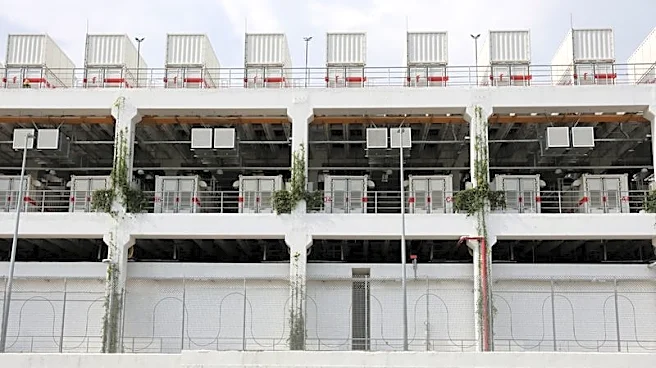
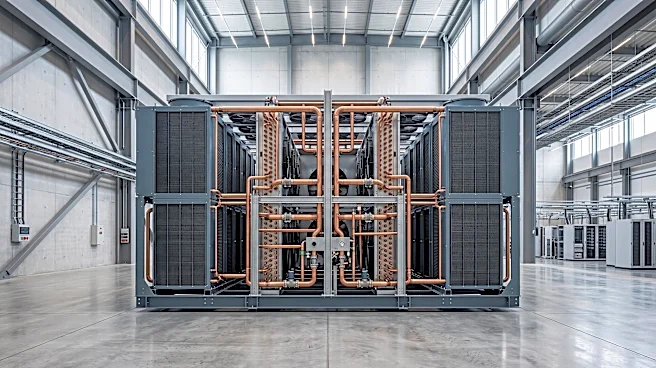
for higher building standards and stricter oversight. Currently, Texas's low building standards and loose regulations often allow developers to prioritize profit over community well-being. Solutions being proposed include advanced cooling systems, such as Shumate Engineering's hybrid dry adiabatic cooling, which could significantly reduce water and electricity usage. Additionally, Permacast Walls suggests using sound-absorbing perimeter walls with landscaping to improve aesthetics and mitigate noise pollution. Another innovative proposal from Jeff Thramann, CEO of LT350, involves building smaller, 1-megawatt data centers integrated into parking canopies with solar panels and battery storage, offering a decentralized approach that could benefit hospitals and government offices by keeping data local and reducing grid strain. These proposals aim to balance the economic benefits of data centers with the environmental and community impacts.
Why It's Important?
The push for new regulations in Texas signifies a growing recognition of the environmental and social footprint of the rapidly expanding data center industry. By addressing concerns about energy and water consumption, noise, and visual impact, these regulations could set a precedent for how technology infrastructure is integrated into communities across the U.S. For the data center industry, this means a potential shift towards more sustainable and community-friendly development practices, which could increase initial construction costs but foster better public relations and long-term operational stability. Companies like Shumate Engineering and LT350 stand to gain as their innovative solutions for efficiency and decentralized infrastructure become more attractive. Conversely, developers who rely on older, less sustainable models may face increased scrutiny and higher compliance costs. For Texans, these changes promise a future where essential digital infrastructure coexists more harmoniously with residential areas, mitigating negative impacts while still supporting technological advancement.
What's Next?
Texas lawmakers are expected to convene in January to consider dozens of bills aimed at reforming data center development. These legislative efforts will likely focus on reducing tax incentives for developers and granting local officials greater authority to enforce building and efficiency standards. The outcome of these legislative sessions will determine the future landscape of data center construction in Texas, potentially leading to a more regulated environment. Major stakeholders, including data center developers, technology companies, and community advocacy groups, will closely monitor these developments. It is anticipated that there will be ongoing discussions and negotiations between industry lobbyists and proponents of stricter regulations. The adoption of new standards could encourage broader innovation in sustainable data center technologies and urban planning, influencing similar policy discussions in other states grappling with the rapid expansion of digital infrastructure.
Beyond the Headlines
The debate over data center regulation in Texas highlights a broader societal challenge: balancing technological progress with environmental stewardship and community well-being. Beyond the immediate concerns of energy and water, the proliferation of large-scale data centers raises questions about land use, local resource allocation, and the equitable distribution of the benefits and burdens of the digital economy. The proposed solutions, such as decentralized data centers and advanced cooling technologies, point towards a future where infrastructure is more integrated and less disruptive. This shift could foster a new paradigm for urban and regional planning, where digital infrastructure is considered a public utility with corresponding responsibilities. Ethically, it underscores the need for corporations to adopt more sustainable practices and for policymakers to prioritize community interests alongside economic growth, potentially leading to a re-evaluation of corporate social responsibility in the tech sector.