








What's Happening?
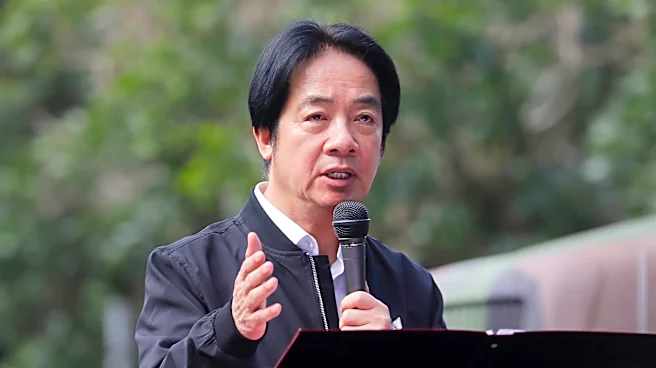
Taiwan President William Lai Ching-te visited Eswatini, defying China's attempts to block the trip. The visit included a meeting with King Mswati III and the signing of trade agreements. The trip was initially scheduled for late April but faced cancellations
from Seychelles, Mauritius, and Madagascar due to pressure from Beijing. Taiwan's presidential office described these cancellations as unprecedented, attributing them to economic coercion by China. Taiwan operates as a self-governing democracy, but China claims it as part of its territory and demands that countries cease official engagements with Taiwan's government. Despite these challenges, Lai emphasized Taiwan's commitment to global engagement.
Why It's Important?
This visit underscores the ongoing geopolitical tensions between Taiwan and China. Taiwan's efforts to maintain international relations are crucial for its diplomatic survival, as it has only 12 formal allies left. China's pressure on countries to sever ties with Taiwan highlights the strategic importance of Taiwan in regional politics. The United States, while not officially recognizing Taiwan, supports its defense under the Taiwan Relations Act, indicating the broader implications for U.S.-China relations. Eswatini's recognition of Taiwan is significant, as it is the only African nation to do so, reflecting the complex diplomatic landscape Taiwan navigates.
What's Next?
Taiwan's continued diplomatic efforts may lead to further tensions with China, which could impact regional stability. The international community's response to Taiwan's diplomatic activities will be crucial in shaping future engagements. Countries that maintain relations with Taiwan may face increased pressure from China, potentially affecting their economic and political ties. The U.S. may continue to play a pivotal role in supporting Taiwan, influencing the dynamics of U.S.-China relations.
Beyond the Headlines
The visit highlights the ethical and cultural dimensions of Taiwan's struggle for international recognition. Taiwan's determination to engage globally despite diplomatic isolation reflects its resilience and commitment to sovereignty. The situation raises questions about the balance between economic interests and political principles in international relations. The long-term implications for Taiwan's diplomatic strategy and its impact on regional alliances are significant.