







What's Happening?
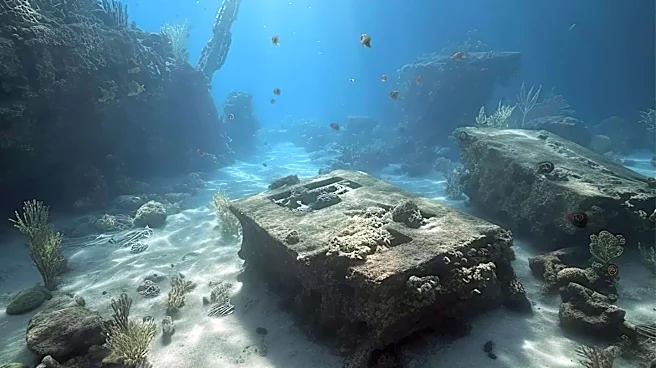
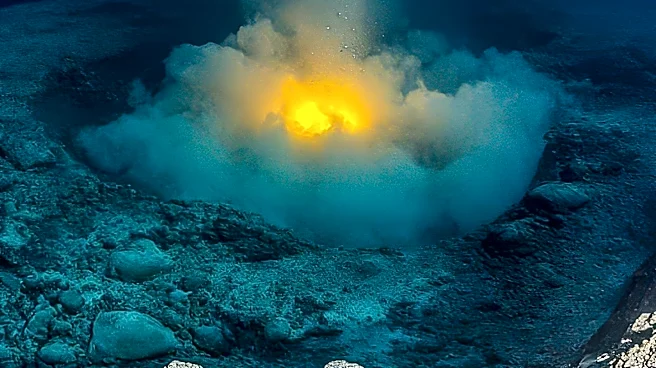
Scientists are investigating a mysterious underwater phenomenon known as 'te lapa,' which involves flashes of light resembling linear bolts of lightning deep in the ocean. This phenomenon has puzzled researchers for years, with theories suggesting that
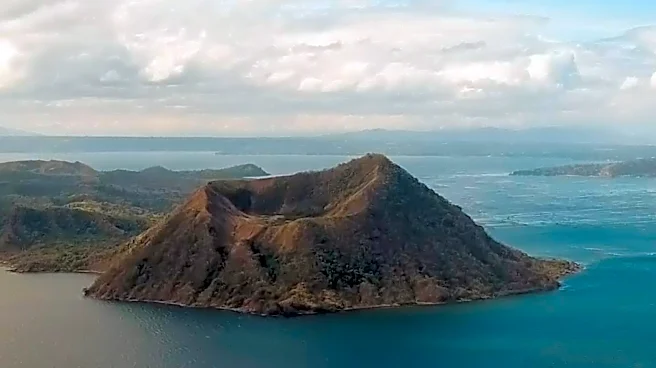
certain conditions in the ocean depths allow electricity to build up and discharge. Another theory posits that bioluminescent microbes, known as dinoflagellates, could be responsible for the flashes. The phenomenon is observed in the Pacific Ring of Fire, and it is believed that ancient Polynesian navigators used these flashes to guide their journeys across the ocean.
Why It's Important?
Understanding 'te lapa' could provide valuable insights into oceanic and electromagnetic phenomena. The study of this phenomenon may reveal new information about the interactions between tectonic activity, ocean currents, and bioluminescence. Additionally, uncovering the mechanisms behind 'te lapa' could have implications for navigation and marine research. The phenomenon's historical significance as a navigational aid for ancient Polynesians highlights its cultural importance and the potential for modern applications in maritime exploration.
Beyond the Headlines
The investigation into 'te lapa' also raises questions about the limitations of current scientific technology and the challenges of studying phenomena in remote and deep-sea environments. The phenomenon's elusive nature underscores the need for innovative research methods and interdisciplinary collaboration. Furthermore, the study of 'te lapa' may contribute to a broader understanding of how natural phenomena have influenced human history and cultural practices, particularly in the context of navigation and exploration.