




What's Happening?
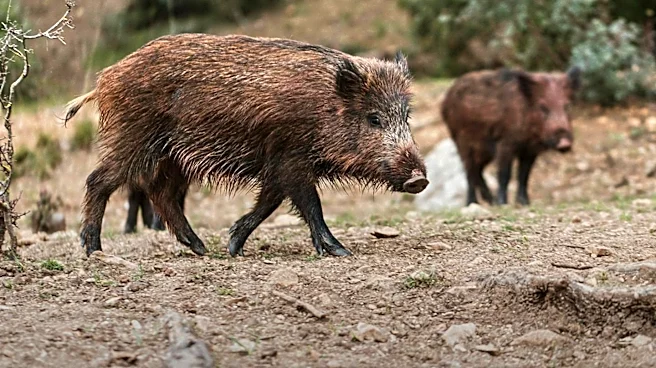
California initiated an aggressive campaign in 2005 to eradicate 5,036 feral pigs from Santa Cruz Island. This effort was part of a broader restoration program aimed at saving the native Santa Cruz Island fox from extinction. The decline of the island
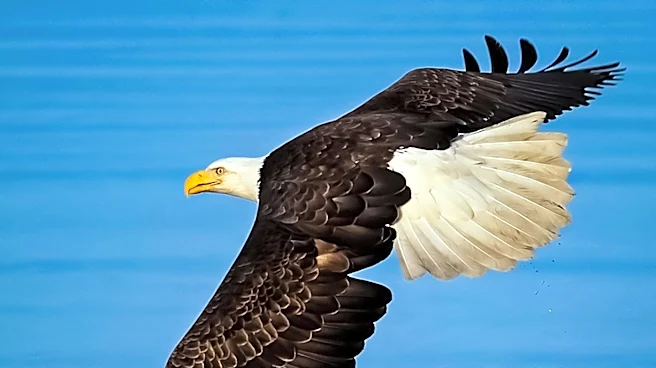
fox population was attributed to an ecological chain reaction: feral pigs, introduced in the 19th century, attracted non-native golden eagles from mainland California. These golden eagles, in the absence of native bald eagles (which had disappeared due to DDT pollution), began preying heavily on the small island foxes. The eradication program involved dividing the island into five management areas with 28 miles of pig-proof fencing and using ground hunting, tracking dogs, and helicopters to remove the pigs. By late 2006, all feral pigs were eliminated. Concurrently, 44 golden eagles were relocated to northern California, and captive-bred bald eagles were released to restore their presence and deter golden eagles. A captive breeding program for the foxes was also established, with vaccinated foxes released back into the wild after the threats were removed.
Why It's Important?
This ecological restoration project represents the fastest successful recovery of an endangered mammal in the history of the United States Endangered Species Act. By 2015, the Santa Cruz Island fox population had surged from fewer than 70 to approximately 2,100. This success demonstrates the critical impact of targeted conservation efforts and the interconnectedness of ecosystems. The reintroduction of bald eagles and the removal of invasive species like feral pigs highlight effective strategies for restoring ecological balance. The project also underscores the long-term consequences of human activities, such as the introduction of non-native species and environmental pollution (DDT), on native wildlife. The recovery serves as a model for other conservation initiatives facing similar challenges, showcasing how collaborative efforts between government agencies and conservation organizations can reverse severe population declines and restore biodiversity.
What's Next?
In August 2016, federal officials formally removed three subspecies of the Channel Islands fox, including the Santa Cruz Island fox, from the endangered species list. This delisting was celebrated as a significant achievement in conservation. Following the delisting, the National Park Service and The Nature Conservancy continue their conservation work. This includes implementing biosecurity measures at visitor access points to prevent the reintroduction of non-native animals and harmful pathogens. Island managers are also committed to ongoing monitoring of fox health and disease screening. These continuous efforts are crucial to maintaining the restored ecological balance and ensuring the long-term survival of the island fox population, preventing a recurrence of the threats that led to their near extinction.
Beyond the Headlines
The Santa Cruz Island fox recovery story offers profound insights into ecological resilience and the complex interplay of species within an ecosystem. It illustrates how the removal of a single invasive species (feral pigs) can trigger a cascade of positive effects, allowing native predators (bald eagles) to return and native prey (island foxes) to thrive. The project also highlights the ethical considerations involved in wildlife management, particularly the decision to eradicate an introduced species for the benefit of native ones. Furthermore, it underscores the importance of proactive conservation measures and the need for continuous vigilance against new ecological threats. The success on Santa Cruz Island provides a compelling case study for understanding and addressing biodiversity loss in other vulnerable island ecosystems globally, emphasizing the value of integrated conservation strategies.