







What's Happening?
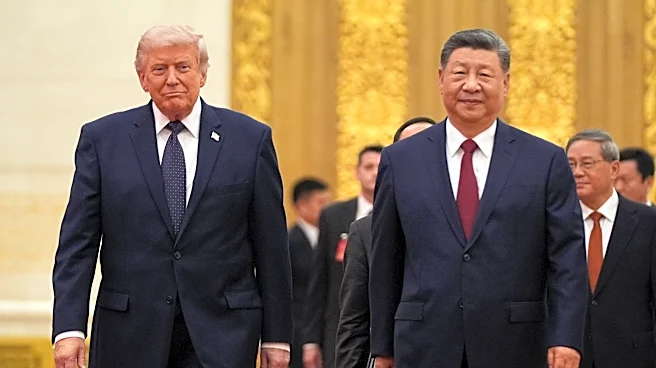
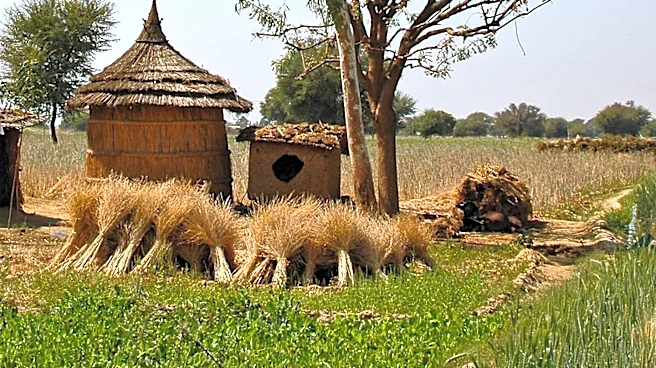
The USAID's Feed the Future Innovation Labs program, which supported agricultural research in Niger, has been significantly impacted by funding cuts under President Trump's administration. The program aimed to equip local farmers with tools for crop disease
surveillance and pest control, crucial for combating the effects of climate change on agriculture. However, a stop-work order issued by President Trump led to the suspension of nearly all USAID overseas programs, including those in Niger. This has left researchers like Bassirou Sani Boubacar Gaoh struggling to find alternative funding sources to continue their work. The cuts have raised concerns about the future of food security in Niger, where millions face acute food insecurity and malnutrition.
Why It's Important?
The funding cuts to USAID's programs in Niger highlight the broader implications of shifting U.S. foreign aid priorities under the Trump administration. The decision to terminate these programs could exacerbate food insecurity in regions heavily reliant on agricultural support to adapt to climate change. The move also reflects a potential deprioritization of African regions in favor of Western Hemisphere countries, raising questions about the long-term impact on global food security and U.S. agricultural research. The cuts may hinder the development of solutions that could benefit both African and American farmers, as climate change continues to affect agricultural productivity worldwide.
What's Next?
The State Department has issued a new call for proposals for the Feed the Future Innovation Labs, inviting U.S.-based universities to apply for funding. However, the focus appears to have shifted away from African regions, potentially limiting the scope of future research and support in areas like Niger. The outcome of this new funding round will determine the direction of U.S. agricultural aid and its alignment with national interests. Meanwhile, researchers in Niger and other affected regions will need to seek alternative funding sources to continue their critical work in combating food insecurity.