





What's Happening?
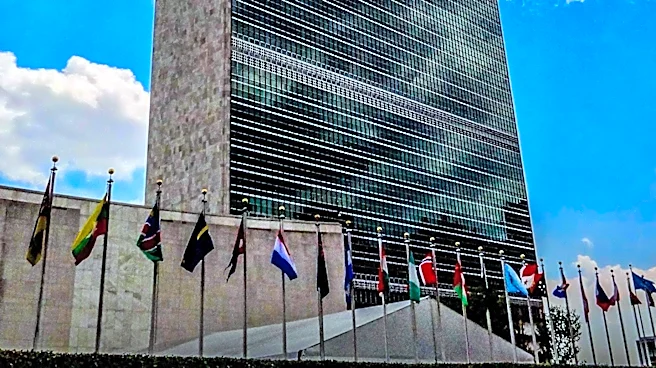
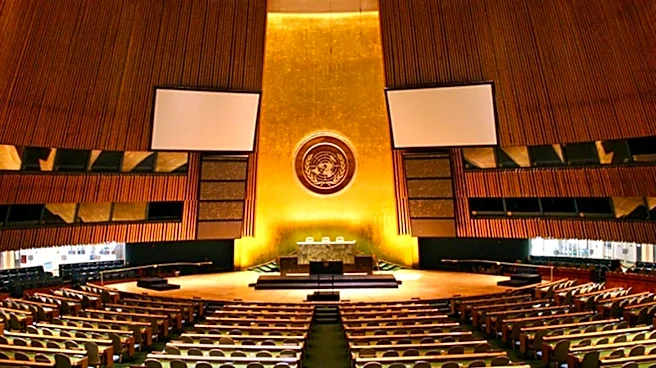
The European Union delivered a statement at the 81st UN General Assembly, Fourth Committee, on the comprehensive review of peacekeeping operations. The EU emphasized its commitment to supporting the UN in achieving peace, security, and global stability.
The statement highlighted that the EU currently deploys 21 civilian and military missions and operations, including Operation ALTHEA in Bosnia and Herzegovina, which directly implements a UN Security Council mandate. Operation ASPIDES in the Red Sea and Operation ATALANTA in the Horn of Africa and the Western Indian Ocean were also mentioned as acting in line with Security Council resolutions. The EU noted that its missions cooperate on various issues, from field support to information-sharing, and anticipates even closer collaboration in the future. The EU and its Member States are significant financial contributors to the UN's peacekeeping budget and deploy nearly 4,000 personnel to UN peacekeeping missions.
Why It's Important?
This statement underscores the EU's significant role in global peacekeeping efforts and its alignment with UN mandates. The mention of Operation ASPIDES within this context highlights its importance not just as a regional security measure but as a component of broader international peace and security initiatives. The EU's financial contributions and personnel deployments demonstrate a substantial commitment to multilateralism and the prevention of armed conflict. The challenges faced by UN peacekeeping operations, such as climate change, disinformation, and the weaponization of new technologies, are critical global issues that impact international stability. The EU's call for strengthening the UN's ability to make peacekeeping operations more results-oriented and effective is crucial for addressing these complex threats and ensuring the continued relevance of peacekeeping in a changing world.
What's Next?
The EU is looking forward to the next UN Peacekeeping Ministerial, hosted by Indonesia and the Netherlands, which will likely build on the discussions from the Berlin 2025 Ministerial. The focus will be on implementing the Secretary-General’s recommendations from the review on the future of UN peace operations, ensuring a holistic approach. This includes strengthening partnerships with host states, ensuring predictable and timely financing, and adhering to UN Charter principles and human rights. The EU also stressed the importance of Member States meeting their financial obligations to UN peacekeeping in full and on time to avoid putting peacekeepers' lives at risk. Continued efforts to enhance coherence across the UN's peace and security engagement are also anticipated.
Beyond the Headlines
The EU's statement reflects a strategic effort to position itself as a key player in global security governance, working in tandem with the UN. The challenges outlined, such as the growing presence of private military companies and the weaponization of new technologies, point to a shifting landscape of conflict that demands innovative and coordinated responses. The emphasis on strict adherence to the UN Charter and human rights principles in peacekeeping operations highlights the ethical and legal dimensions of international interventions. Furthermore, the call for addressing financial constraints and ensuring timely contributions from Member States reveals the underlying political and economic realities that often impact the effectiveness of peacekeeping missions. This broader context suggests a continuous evolution of peacekeeping strategies to adapt to contemporary threats and ensure sustainable peace.