





What's Happening?
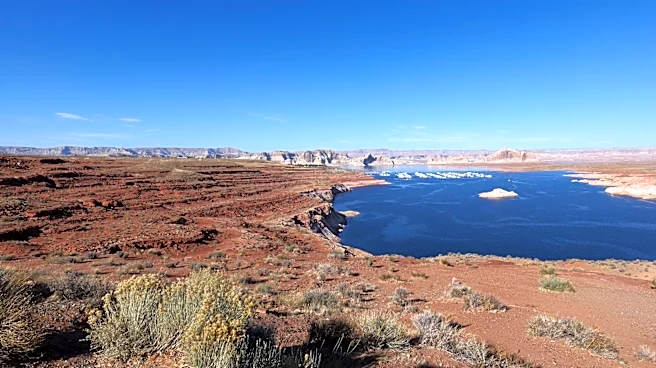
The US government has released a plan to manage the Colorado River crisis, proposing significant water cuts for California, Arizona, and Nevada. The plan, developed by the US Bureau of Reclamation, aims to address the dwindling water supply in the lower
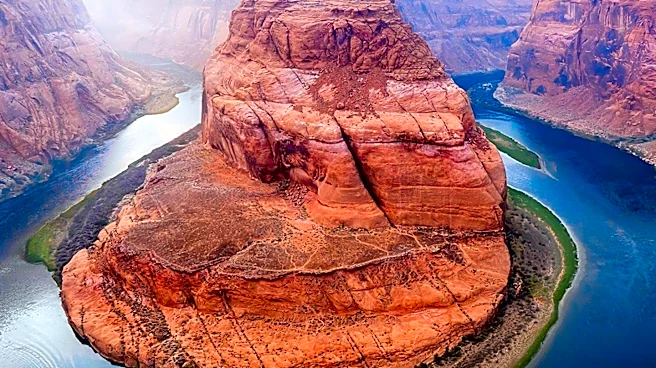
basin states, which could face cuts of up to 3 million acre-feet annually. The upper basin states, including Colorado, Utah, New Mexico, and Wyoming, are currently spared from mandatory cuts. The plan includes provisions for annual releases from Lake Powell and outlines a 10-year framework for water management decisions. The Colorado River is a critical resource for millions of people and supports diverse ecosystems.
Why It's Important?
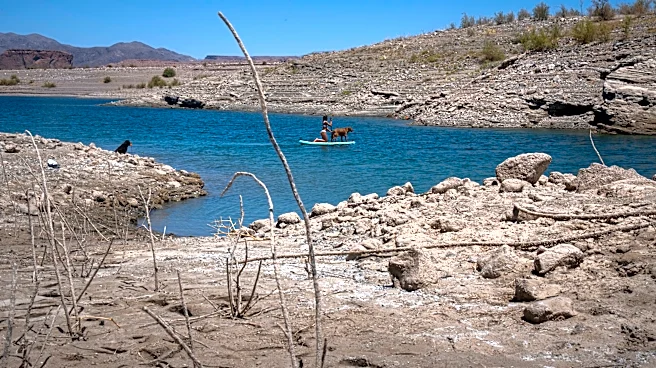
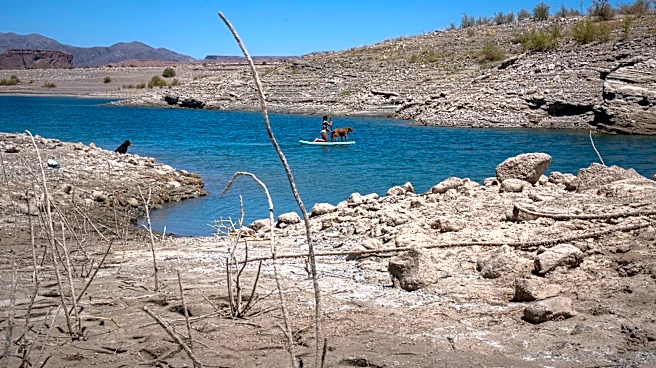
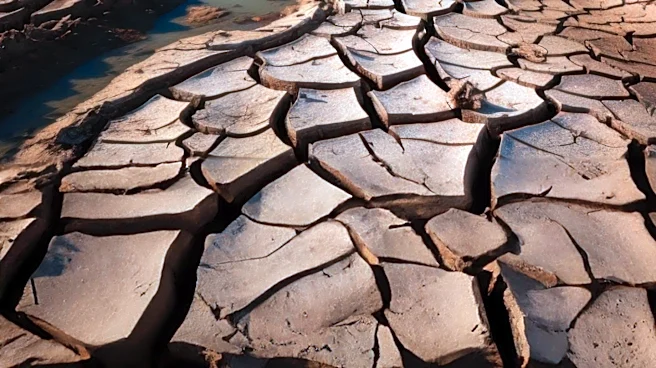
The Colorado River crisis has significant implications for water management in the western US, affecting millions of residents and agricultural activities. The proposed cuts aim to address the overdrawn river, which has been impacted by climate change and increased demand. The plan's flexibility allows for adjustments based on hydrologic conditions, providing a framework for states to work towards long-term solutions. However, the temporary nature of the plan highlights the ongoing challenges in reaching a consensus among states. The crisis underscores the need for sustainable water management practices and collaborative efforts to ensure the river's future viability.
What's Next?
The federal government is expected to release a detailed operational plan in the coming weeks, outlining short-term measures under the new framework. Stakeholders, including state governments and environmental groups, will likely continue negotiations to develop a comprehensive long-term management plan. The threat of legal challenges remains, particularly from states facing significant cuts. The plan's implementation will be crucial in determining its effectiveness in addressing the crisis and ensuring equitable water distribution. Continued monitoring of hydrologic conditions and collaborative efforts will be essential in navigating the complex dynamics of the Colorado River.