







What's Happening?
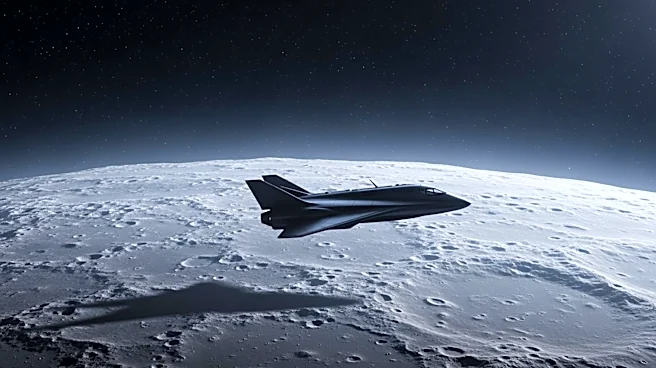
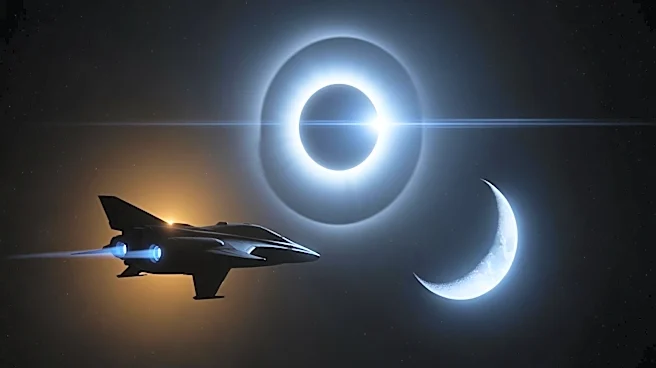
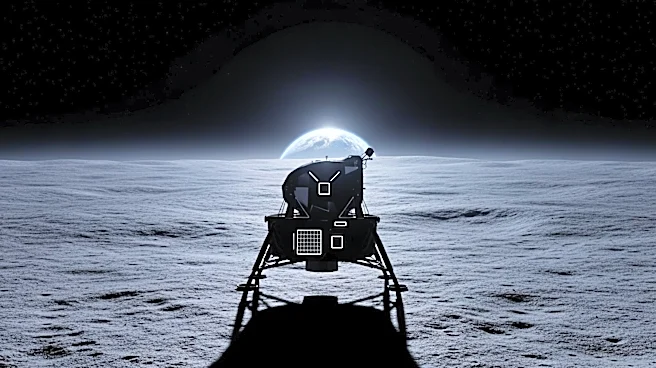
NASA's Artemis II mission has returned with breathtaking images from a lunar flyby, including a rare solar eclipse observed from deep space. The images, taken during a seven-hour flyby of the Moon's far side, provide new scientific data and stunning visuals
of lunar features such as impact craters and ancient lava plains. The mission's crew, consisting of NASA and Canadian astronauts, used advanced cameras to capture thousands of images, some of which have been released. These images are expected to inspire future generations and contribute to scientific understanding of the Moon's geology.
Why It's Important?
The imagery and data from the Artemis II mission are vital for advancing lunar science and exploration. The detailed observations of the Moon's surface will help scientists refine their understanding of its geologic history and prepare for future missions. The mission also demonstrates the capabilities of modern space technology in capturing high-resolution images from space, which are crucial for planning future lunar landings and establishing a human presence on the Moon. The public release of these images fosters interest and support for space exploration, highlighting the cultural and scientific significance of returning to the Moon.