





What's Happening?
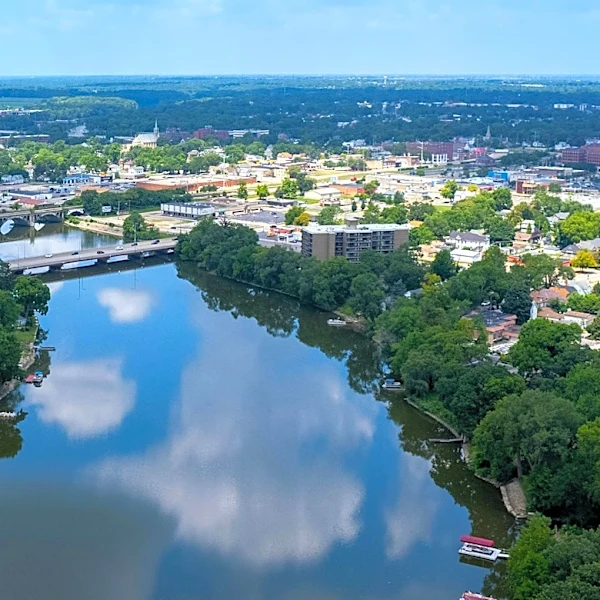
Raleigh, North Carolina, is experiencing a notable increase in unusually warm summer nights, with approximately 40 more warmer-than-normal nights compared to the early 1970s, according to a Climate Central analysis. Currently, about 71% of summer nights in Raleigh are warmer than the historical
average. This summer has followed the trend, with morning temperatures at Raleigh-Durham International Airport averaging 1 to 6 degrees warmer than normal each month, making it the fifth-warmest summer on record at RDU so far. The trend of warming nights is widespread, with 95% of 243 major U.S. cities analyzed by Climate Central experiencing more unusually warm summer nights. On average, U.S. cities have gained 24 warmer-than-normal nights each summer, with the South and Southeast seeing the largest increases, averaging 33 to 35 additional warm nights. Climate Central meteorologist Shel Winkley noted that nighttime temperatures are warming almost twice as fast as daytime temperatures in North America, attributing this to human-caused climate change and the role of humidity in the Southeast, which prevents efficient cooling after sunset.
Why It's Important?
The increase in warm summer nights in Raleigh and across the U.S. has significant implications for public health, energy consumption, and economic well-being. Prolonged exposure to heat without overnight recovery can overwhelm the body's adaptive systems, increasing health risks, especially for vulnerable populations such as older adults, outdoor workers, and those with chronic health conditions. Dr. Cathleen Colón-Emeric, a geriatric medicine specialist at Duke Health, emphasizes the importance of nighttime recovery for the body to shed heat. Nishad Jayasundara, a professor at Duke University, highlights the strain on the cardiovascular system and potential long-term kidney damage, particularly among farmworkers. Furthermore, warmer nights necessitate longer operation of air conditioning systems, leading to increased cooling costs for households and a greater demand on the energy grid. This disproportionately affects lower-income households that may struggle to afford continuous air conditioning, exacerbating existing inequalities and creating a cycle of heat-related stress and financial burden.
What's Next?
The ongoing trend of warmer nights suggests a need for increased public awareness and adaptation strategies to mitigate health risks and economic impacts. Local governments and public health agencies in Raleigh and other affected cities may need to implement or expand programs to protect vulnerable populations from heat-related illnesses, such as cooling centers and assistance for energy costs. Urban planning initiatives could focus on reducing the urban heat island effect through green infrastructure and reflective surfaces. Energy providers might face growing pressure to enhance grid resilience and explore sustainable cooling solutions. Research into the long-term health effects of continuous heat exposure, particularly on specific demographics like agricultural workers, will likely continue to inform public health policies. The data from Climate Central's analysis will serve as a crucial indicator for climate change impacts at a local level, potentially influencing policy decisions related to climate adaptation and mitigation efforts.
Beyond the Headlines
The phenomenon of increasingly warm nights underscores a less obvious but critical dimension of climate change: the disruption of natural recovery cycles. Beyond the immediate health and economic concerns, the loss of overnight cooling affects ecosystems, agricultural productivity, and even human psychological well-being. The urban heat island effect, combined with global warming, creates a compounding problem where cities become heat traps, further intensifying the impact on residents. This situation highlights environmental justice issues, as communities with less green space and lower-income populations often bear a disproportionate burden of heat stress. The need for policies that mandate cool places for high-risk individuals, as suggested by Dr. Colón-Emeric, points to a broader societal responsibility to protect its most vulnerable members from the escalating effects of climate change. This trend also challenges traditional notions of summer comfort and leisure, potentially altering lifestyle patterns and outdoor activities in affected regions.