



What's Happening?
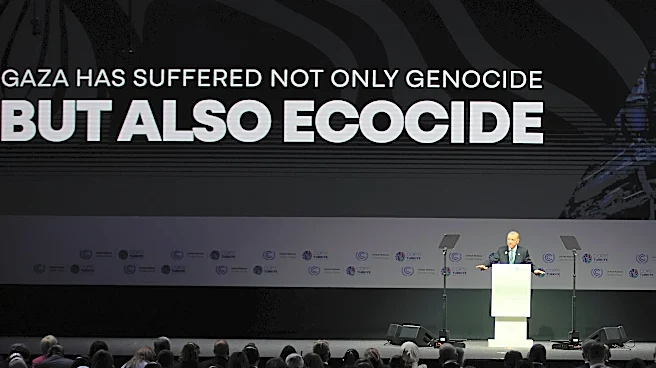
The United Nations has introduced a new Disaster Risk Financing (DRF) Platform at the 31st United Nations Climate Change Conference (COP31) in Antalya, Türkiye. This initiative aims to secure over US$3 billion in risk financing by 2030 to protect 75 million
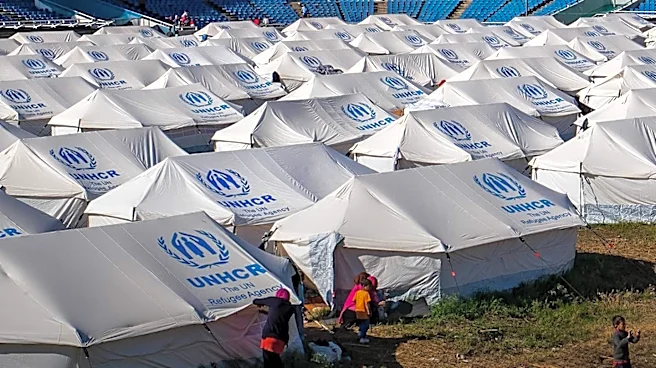
people and their livelihoods from climate shocks and natural hazards. The platform, a collaborative effort among six UN agencies including FAO, IOM, OCHA, UNICEF, UNHCR, and WFP, seeks to make disaster response funding more predictable and increase the availability of funds for early action during major crises. By combining robust data, predictive analysis, and pre-arranged financing, the platform intends to strengthen emergency responses before, during, and after disasters, ensuring more efficient use of funds and building resilience in vulnerable communities. Collaboration with the insurance industry and financial markets is also a key component to scale up financing and reduce costs.
Why It's Important?
This initiative is crucial for improving global humanitarian aid, particularly in regions frequently affected by climate-related disasters. By shifting towards pre-arranged financing and anticipatory actions, the UN aims to mitigate the severe human and economic costs associated with delayed responses. The current system sees less than two percent of global humanitarian financing allocated to pre-arranged mechanisms, highlighting a significant gap the DRF Platform seeks to address. For the U.S. and its allies, supporting such platforms aligns with broader foreign policy goals of stability and humanitarian assistance, potentially reducing the need for larger, more costly interventions after disasters have fully unfolded. The platform's focus on data-driven predictions and early intervention can save lives, protect livelihoods, and prevent displacement, thereby fostering greater global stability and reducing the strain on international aid resources.
What's Next?
The UN DRF Platform will continue to expand its partnerships and integrate expertise from its member agencies to scale up its operations. The initial success, with OCHA and UNICEF securing insurance policies for anticipatory action programs, indicates a viable path forward. Future steps will involve further collaboration with the insurance industry and financial markets to leverage private sector support and reduce costs. The platform will also focus on enhancing data sharing and coordinated solutions to maximize the impact of every dollar spent. The goal is to significantly increase the proportion of pre-arranged financing in global humanitarian aid, ensuring that early warnings translate into timely and effective actions to protect vulnerable populations worldwide.
Beyond the Headlines
The establishment of the UN DRF Platform signifies a broader strategic shift in humanitarian aid from reactive crisis management to proactive risk reduction. This approach acknowledges the increasing predictability of certain disasters, particularly those linked to climate change, and emphasizes the ethical imperative to act before crises escalate. It also highlights the growing recognition of the interconnectedness of climate, finance, and humanitarian issues. The platform's success could set a precedent for how international bodies and national governments approach disaster preparedness, potentially influencing policy changes that prioritize long-term resilience and preventative measures over emergency relief. This could lead to a more sustainable and cost-effective model for addressing global humanitarian challenges, fostering greater international cooperation and shared responsibility.