










What's Happening?
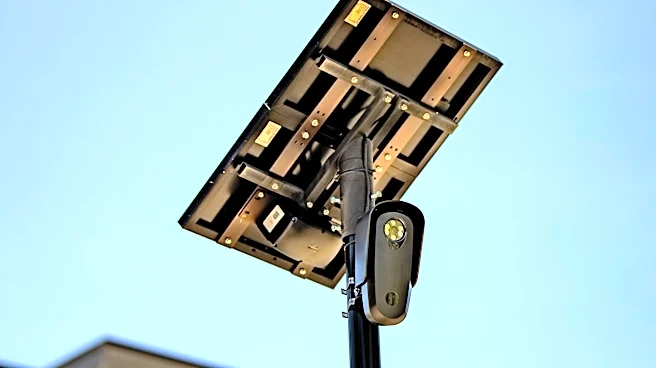
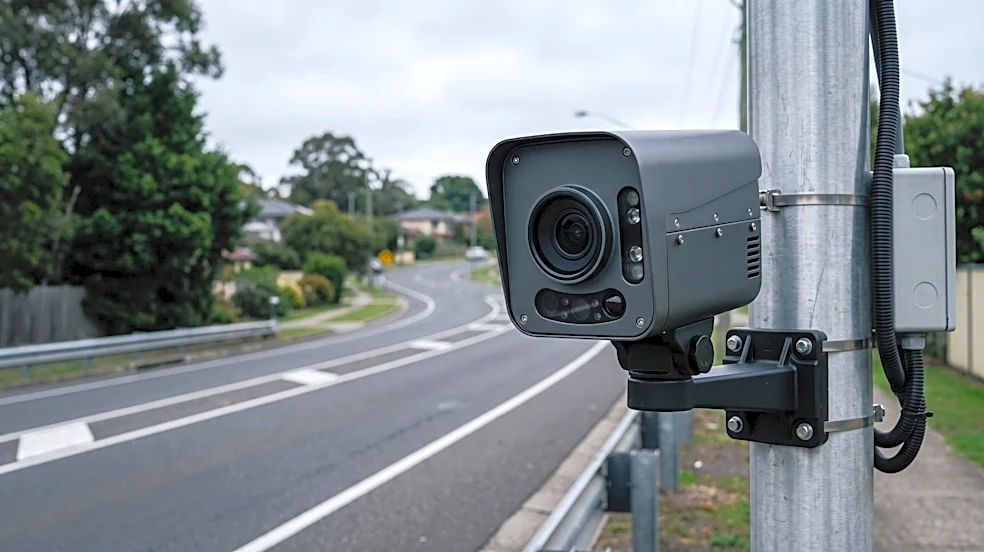
Rhode Island's two-month pause on new automated license plate reader (ALPR) installations, specifically Flock Safety cameras, is set to expire. The Rhode Island State Police are preparing to announce new policies governing this surveillance technology.
Governor Dan McKee initiated a 60-day comprehensive review of ALPR systems on August 18, following growing resistance and privacy concerns. Advocacy groups, including the American Civil Liberties Union (ACLU) of Rhode Island, the Alliance to Mobilize Our Resistance, the state’s Office of the Public Defender, and Planned Parenthood of Southern New England, have expressed concerns about being excluded from the review process. These groups sent a letter to State Police Colonel Darnell Weaver on October 9, outlining recommendations for stricter limits on how police use, retain, and share data from these cameras, and emphasizing the need for public oversight. Several Rhode Island communities, such as South Kingstown, Narragansett, Glocester, and North Kingstown, have already voted to cancel their Flock contracts, while Tiverton approved four cameras that are yet to be installed. In Providence, three City Council members plan to introduce an ordinance to ban the technology.
Why It's Important?
The debate surrounding ALPR technology in Rhode Island highlights a critical tension between public safety and individual privacy rights. The State Police's impending policy announcement will set precedents for how surveillance technology is regulated and deployed across the state. The exclusion of advocacy groups from the review process raises questions about transparency and democratic participation in policy-making, potentially eroding public trust in law enforcement. The concerns about data retention, sharing with other agencies, and the potential for misuse, including monitoring constitutionally protected activities or assisting federal immigration enforcement, underscore the broader implications for civil liberties. The varying responses from different municipalities, with some canceling contracts and others approving installations, indicate a lack of uniform standards and a fragmented approach to a technology with significant statewide impact. The outcome of this policy review could influence similar discussions in other states grappling with the balance between security measures and privacy protections.
What's Next?
The two-month pause on new ALPR installations in Rhode Island is scheduled to expire, with the State Police expected to announce new policies governing the technology. Advocacy groups, including the ACLU of Rhode Island, will likely continue to press for greater transparency and public input in the policy-making process. The proposed ordinance in Providence to ban the technology could lead to further legal and political challenges, potentially setting a precedent for other cities. The Rhode Island Police Chiefs Association and the Rhode Island League of Cities and Towns, who were involved in the review, will play a role in implementing and interpreting the new policies. Future actions may include legislative efforts to codify regulations for ALPR use, potential lawsuits challenging the legality or implementation of the technology, and ongoing public discourse regarding the appropriate scope of surveillance in a democratic society. The effectiveness of the new policies will depend on their clarity, enforceability, and the extent to which they address the concerns raised by privacy advocates.
Beyond the Headlines
The controversy over ALPRs in Rhode Island reflects a national conversation about the increasing use of surveillance technologies by law enforcement and their impact on civil liberties. Beyond the immediate policy decisions, this issue touches upon fundamental questions of trust between citizens and government, the definition of privacy in the digital age, and the ethical responsibilities of technology providers. The ability of ALPRs to collect and store vast amounts of location data raises concerns about the potential for mission creep, where technology initially deployed for specific purposes is later expanded to broader surveillance. The lack of public input in the policy review process could exacerbate feelings of disenfranchisement and lead to a more adversarial relationship between communities and law enforcement. This situation also highlights the need for robust oversight mechanisms and clear accountability frameworks to prevent abuse and ensure that technological advancements serve the public good without infringing on fundamental rights. The long-term implications could include shifts in public perception of privacy and the role of technology in policing.