







What's Happening?
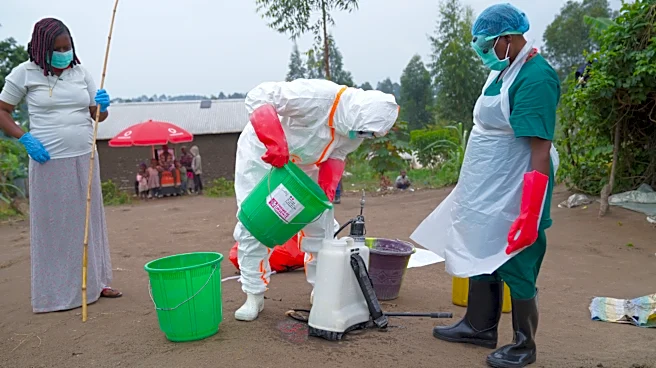
UNICEF is intensifying its efforts to combat a widespread cholera outbreak affecting West and Central Africa. The outbreak, which has crossed national borders, is exacerbated by seasonal rains, flooding, and population displacement. Nigeria is experiencing
the largest outbreak with over 50,000 cases and 338 deaths since January, primarily in Borno state. The Democratic Republic of the Congo (DRC) has reported over 30,400 cases and nearly 700 deaths, marking the highest death toll in the region. UNICEF, in collaboration with the World Health Organization and Africa CDC, is working to expand access to safe water and sanitation, strengthen disease surveillance, and support oral cholera vaccination campaigns. The agency emphasizes the need for urgent funding and regional cooperation to address the crisis.
Why It's Important?
The cholera outbreak poses a significant public health challenge, threatening millions of children who lack access to safe water and sanitation. The rapid spread of the disease across borders highlights the interconnectedness of health issues in the region and the need for coordinated international response efforts. The outbreak underscores the vulnerability of children in affected areas, where inadequate infrastructure and health services exacerbate the impact of the disease. Addressing the outbreak requires substantial investment in health infrastructure and regional solidarity to prevent further spread and mitigate the impact on vulnerable populations.
What's Next?
UNICEF and its partners are likely to continue scaling up their response efforts, focusing on expanding vaccination campaigns and improving access to clean water and sanitation. The agency may also seek additional funding and support from international donors to sustain and enhance its response activities. Regional governments and health organizations are expected to collaborate more closely to strengthen cross-border surveillance and response mechanisms. The ongoing efforts will aim to contain the outbreak and prevent future occurrences by addressing the root causes of the spread, such as inadequate infrastructure and health services.