










What's Happening?
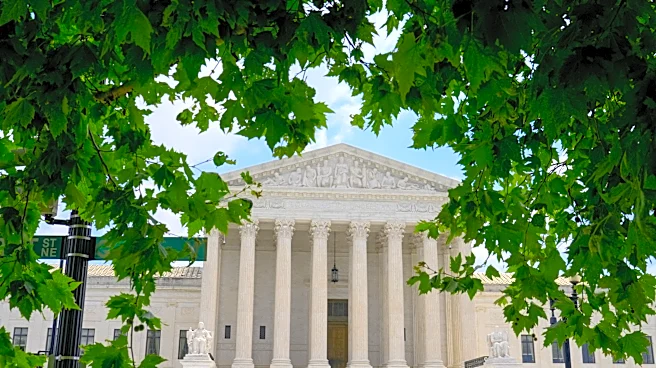
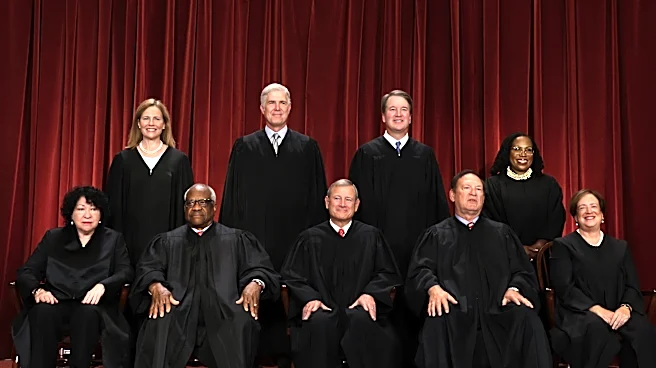
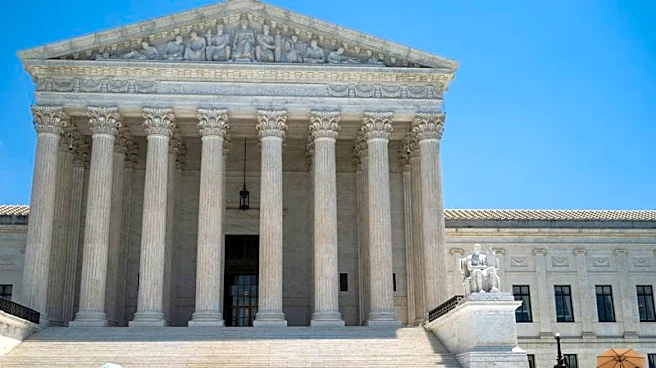
The U.S. Supreme Court has rejected a request from Students Engaged in Advancing Texas, a student advocacy group, to block the enforcement of a Texas law requiring app store users to verify their ages and obtain parental permission. This decision follows
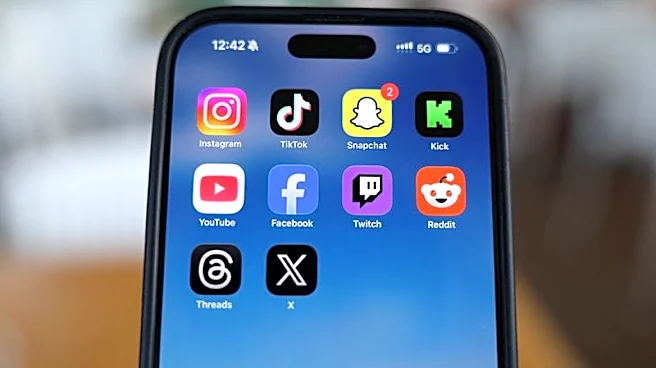
a legal challenge to Texas Senate Bill 2420, known as the Texas App Store Accountability Act. The group, co-founded by incoming University of Texas law student Cameron Samuels, sought an emergency application to halt the law's enforcement while the case proceeds through Texas courts. Previously, a district judge had blocked the law in December 2025, but the Fifth Circuit Court of Appeals later deemed it enforceable. The Supreme Court's decision does not address the law's constitutionality but allows its enforcement to continue. The law's broad reach has raised concerns, as it requires age verification for a wide range of apps, not just those related to adult content. This has already affected high school students' engagement on communication platforms like Slack.
Why It's Important?
The Supreme Court's decision to allow the enforcement of the Texas age verification law has significant implications for digital access and parental control. By requiring age verification for app downloads, the law could limit young people's access to educational, entertainment, and utility apps, potentially impacting their digital literacy and independence. This move aligns with broader debates about parental rights and digital safety, but it also raises concerns about freedom of expression and access to information. The law's enforcement could set a precedent for other states considering similar measures, affecting app developers and users nationwide. The decision underscores the ongoing tension between state regulations and digital freedoms, with potential economic implications for app developers who may need to adjust their platforms to comply with varying state laws.
What's Next?
As the case continues through the Texas court system, further legal challenges and appeals are expected. The student group may seek alternative legal avenues to contest the law's enforcement, potentially bringing the issue back to higher courts. Meanwhile, app developers and digital rights advocates will likely monitor the situation closely, considering the broader implications for app accessibility and user privacy. The outcome of this legal battle could influence future legislation on digital access and parental control, prompting discussions among policymakers, educators, and technology companies about balancing safety and freedom in the digital age.