







What's Happening?
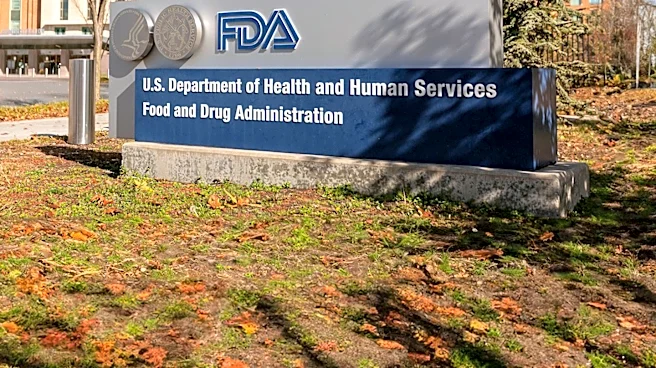
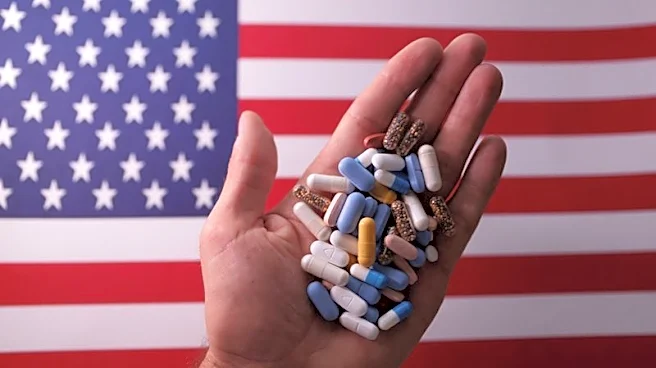
The U.S. Food and Drug Administration (FDA) has made six experimental peptides—BPC-157, epitalon, KPV, MOTS-c, Semax, and TB-500—more accessible by announcing it will not penalize specialized pharmacies for compounding and supplying them to patients with
prescriptions. This policy change, effective Wednesday, is temporary and grants enforcement discretion, allowing compounding pharmacies to legally produce and sell these substances as long as they report serious side effects and quality problems. However, none of these peptides have undergone the rigorous, long-term human trials typically required for FDA drug approval, meaning their safety and effectiveness are not fully established. The FDA's move aims to gather more real-world data while the agency determines their long-term regulatory status.
Why It's Important?
This FDA decision represents a significant shift in access to experimental treatments, potentially offering new options for patients seeking proactive disease prevention or alternative therapies. For proponents, it's a step towards patient safety by bringing these substances from unregulated gray markets into licensed pharmacies under physician oversight. However, the lack of full FDA approval raises concerns among scientists and medical professionals regarding the unproven safety and efficacy of these peptides. The policy creates a complex landscape where patients can access substances without the comprehensive data typically required for drug approval, potentially exposing them to unknown risks and side effects. The cost of compounded peptides, which are not covered by insurance, may also push some users back to cheaper, unregulated sources.
What's Next?
The FDA's temporary policy will allow for the collection of real-world data on these six peptides, which will inform future regulatory decisions regarding their inclusion on the official list of compounds pharmacies can make. Researchers, such as those at Moffitt Cancer Center, are continuing to investigate these peptides in controlled settings to understand their mechanisms and effects. The debate between advocates for broader access and those emphasizing the need for rigorous scientific validation is expected to continue. Patients considering these peptides are advised to have thorough discussions with knowledgeable physicians to understand the knowns and unknowns, as the experimental nature of these substances implies both potential promise and unproven risks.
Beyond the Headlines
The FDA's decision highlights a broader tension between patient demand for novel therapies and the stringent regulatory processes designed to ensure drug safety and efficacy. This move could set a precedent for how the agency handles other experimental compounds, potentially influencing the future of personalized medicine and compounding pharmacy practices. It also brings to light the challenges of regulating a rapidly evolving market for substances that exist in a gray area between traditional pharmaceuticals and unregulated supplements. The ethical implications of making unapproved substances more accessible, even with physician oversight, will likely be a subject of ongoing discussion within the medical and regulatory communities.