







What's Happening?
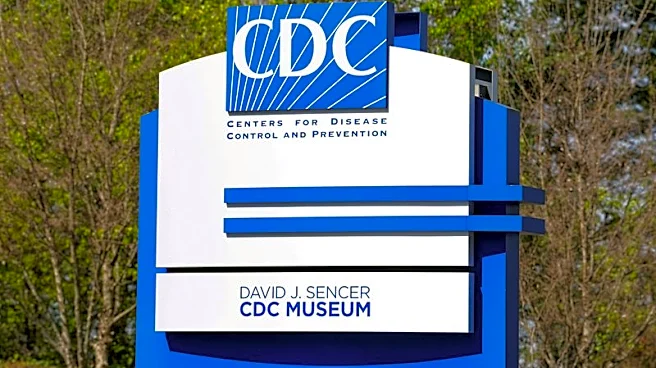
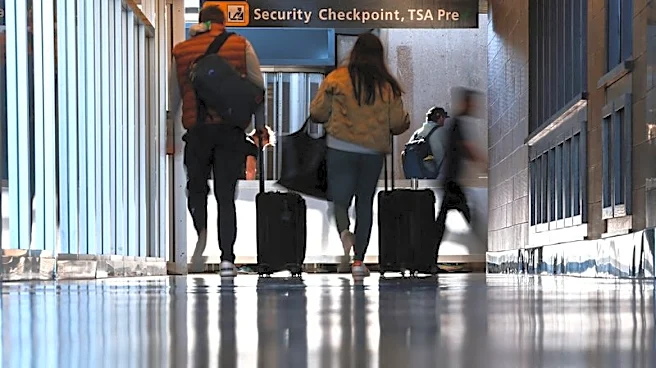
The U.S. Centers for Disease Control and Prevention (CDC) has introduced enhanced Ebola screening measures at Hartsfield-Jackson Atlanta International Airport, the world's busiest airport by passenger traffic. This action is in response to a rapidly spreading
Ebola outbreak in Central Africa, particularly affecting the Democratic Republic of Congo, Uganda, and South Sudan. The outbreak is caused by the Bundibugyo strain of the Ebola virus, which currently lacks approved vaccines or therapeutics. The World Health Organization declared the situation a public health emergency of international concern on May 17. The new screening procedures in Atlanta expand upon those already in place at Washington-Dulles International Airport since May 20. The CDC's approach includes overseas exit screening, airline illness reporting, and post-arrival public health monitoring. Additionally, the CDC has issued an order suspending the entry of foreign nationals who have been in the affected countries within 21 days of arriving in the U.S., while American citizens are allowed to return.
Why It's Important?
The implementation of Ebola screening at major U.S. airports underscores the seriousness of the outbreak in Central Africa and the potential risk of international spread. By enhancing screening measures, the CDC aims to prevent the introduction and spread of the virus within the United States. This proactive approach is crucial in maintaining public health safety and preventing a potential health crisis. The decision also reflects the interconnected nature of global health, where outbreaks in one region can have significant implications worldwide. The CDC's actions are part of a broader strategy to manage and mitigate the risks associated with infectious diseases, highlighting the importance of international cooperation and preparedness in addressing global health threats.
What's Next?
The CDC will continue to monitor the situation closely and may adjust its screening and public health measures as necessary. The agency's layered approach to public health safety will likely involve ongoing collaboration with international health organizations and local health departments. As the situation evolves, further travel restrictions or health advisories may be issued to protect public health. The effectiveness of these measures will depend on the continued cooperation of international partners and the public's adherence to health guidelines. The CDC's response will be critical in preventing the spread of Ebola to the United States and ensuring the safety of its citizens.