





What's Happening?
International Networking for Humanitarian (INH) Indonesia organized a marathon in Khan Younis, Gaza, to raise awareness about the plight of orphaned children affected by ongoing conflicts. The event aimed to provide a sense of community support for these
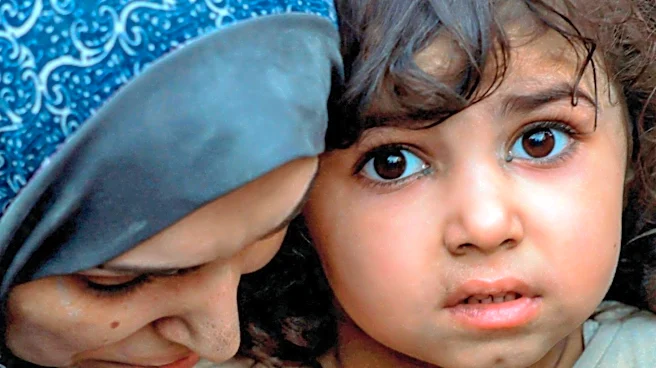
children, many of whom have lost one or both parents due to the war. Mohammed Yassin, project coordinator at INH Indonesia, emphasized the need for international organizations to focus more on these vulnerable groups. The marathon also highlighted the story of Warda, a single mother caring for her children after losing her husband and witnessing her son suffer severe injuries.
Why It's Important?
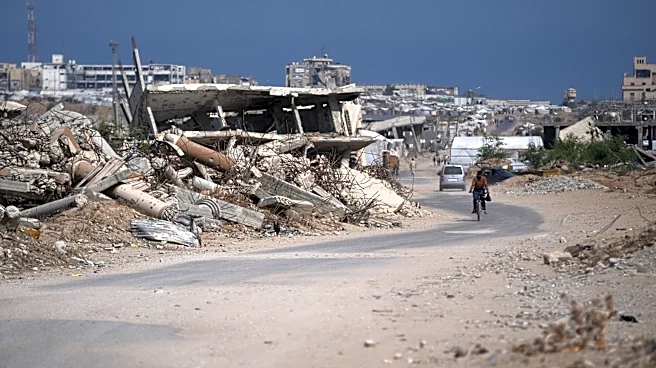
The marathon underscores the severe humanitarian crisis in Gaza, where thousands of children have been orphaned by conflict. This event draws attention to the urgent need for sustained international support and intervention to address the basic needs and psychological well-being of these children. The broader impact includes potential policy shifts and increased humanitarian aid from global organizations, which could alleviate some of the hardships faced by families like Warda's. The event also serves as a reminder of the ongoing challenges in war-torn regions and the critical role of international solidarity.
What's Next?
Following the marathon, there may be increased advocacy efforts to secure more resources and support for orphaned children in Gaza. International organizations and human rights bodies might respond with initiatives aimed at providing long-term assistance. The event could also inspire similar activities in other regions affected by conflict, promoting a global dialogue on child protection and humanitarian aid. Stakeholders, including governments and NGOs, may collaborate to develop comprehensive strategies to support affected families.
Beyond the Headlines
The marathon not only highlights immediate humanitarian needs but also raises questions about the long-term psychological and social impacts on orphaned children. The event could lead to discussions on the ethical responsibilities of the international community in conflict zones. Additionally, it may prompt a reevaluation of current humanitarian strategies and the effectiveness of temporary assistance versus sustainable support systems.