






What's Happening?
The U.S. Army is set to establish a new battalion equipped with the Patriot surface-to-air missile system and the Enduring Shield lower-tier air defense system on Guam by October. This unit, designated the 3rd Battalion, 43rd Air Defense Artillery Regiment
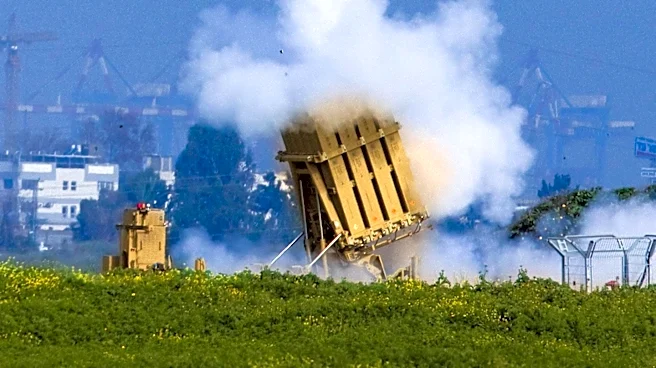
(3-43rd ADA), will operate under the 94th Army Air and Missile Defense Command. The deployment is a significant step in bolstering air and missile defenses on the strategic U.S. island territory in the Western Pacific. The Enduring Shield system, which primarily uses AIM-9X Sidewinder interceptors, is designed to defend against cruise missiles and drones. This move is part of a broader U.S. military effort since 2021 to reorient towards preparing for future large-scale conflicts, particularly with China in the Pacific, and to provide 360-degree defense for Guam.
Why It's Important?
Guam serves as a vital hub for U.S. air and naval operations in the Western Pacific and is crucial for staging ground forces. Protecting key facilities like Andersen Air Force Base, Naval Base Guam, and Marine Corps Base Camp Blaz from a growing array of Chinese ballistic, cruise, and hypersonic threats, as well as drones, is considered critical. The establishment of this new Patriot battalion addresses the Army's overstretched Patriot force, which has been under significant strain due to heavy operational demands globally. The integration of Patriot and Enduring Shield systems will provide a layered air and missile defense, enhancing the island's protection. This development is essential for maintaining regional stability and projecting U.S. power in a strategically important area, ensuring the defense of U.S. assets and personnel against evolving threats.
What's Next?
The 3-43rd ADA battalion commander has already arrived on Guam, and the unit is expected to officially stand up in October, with weapon system deliveries following in the subsequent months. This deployment is part of the larger Guam Defense System (GDS), which also includes a prototype ground-based launch system based on the Mk 41 Vertical Launch System and a new sensor architecture featuring the AN/TPY-6 radar. The Army also plans to establish additional Patriot battalions and dedicated IFPC/Enduring Shield battalions to further expand its air and missile defense capabilities. However, challenges remain, including the strain on prime contractors like Raytheon and Lockheed Martin to meet global demand for Patriot systems and interceptors, which are long-lead items. The continued development and integration of these systems will be crucial for Guam's long-term defense.
Beyond the Headlines
The deployment of advanced air defense systems to Guam highlights a broader strategic shift in U.S. military posture towards the Indo-Pacific region. This move underscores the increasing recognition of Guam's vulnerability to sophisticated missile and drone attacks, particularly from potential adversaries. The integration of different air defense layers, from high-altitude Patriot systems to lower-tier Enduring Shield, reflects a comprehensive approach to counter complex threat mixes. This also brings to light the ongoing challenges in military procurement and supply chains, as the demand for advanced defense systems and interceptors outstrips current production capacities. The long-term implications include a potential arms race in the region and a re-evaluation of defense spending priorities to ensure adequate stockpiles and technological superiority in a rapidly evolving threat landscape.