






What's Happening?
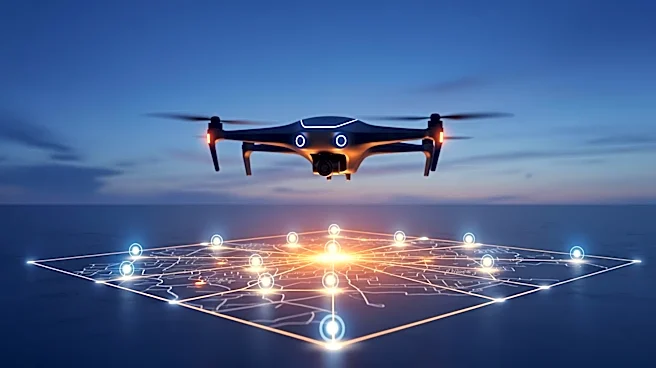
A team of students from Cornell University is working with NASA to develop a national air transportation management system for drones. Sponsored by NASA's University Student Research Challenge, the project aims to enable thousands of drones to operate
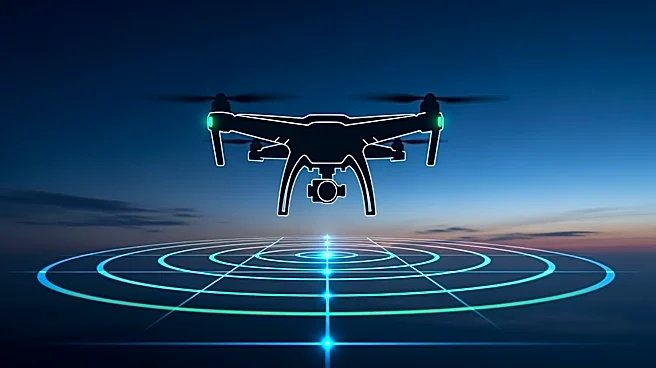
safely in shared airspace. Led by doctoral student Mehrnaz Sabet, the team is exploring innovative approaches to drone safety, focusing on tactical deconfliction, which allows drones to adjust their paths in real-time to avoid collisions. The research includes extensive simulations and real-world tests, demonstrating the potential for drones to operate with the same flexibility as cars on roads. The project has garnered positive responses from industry and the Federal Aviation Administration, highlighting its potential to revolutionize drone traffic management.
Why It's Important?
The development of a robust drone traffic management system is crucial as the number of drones in the sky continues to grow. This research could significantly impact industries such as urban transportation, disaster response, and delivery services, by enabling safer and more efficient drone operations. The collaboration between Cornell and NASA also underscores the importance of academic partnerships in advancing aeronautical research and developing future technologies. Successful implementation of this system could lead to widespread adoption, benefiting various sectors and enhancing public safety.
What's Next?
The Cornell team plans to continue refining their system, incorporating more complex scenarios and increasing the number of drones in their tests. The FAA is interested in applying the project's mixed-reality testing approach to evaluate drone operations under more challenging conditions. As the research progresses, it could pave the way for new regulations and standards in drone traffic management, potentially influencing global practices.