


What's Happening?
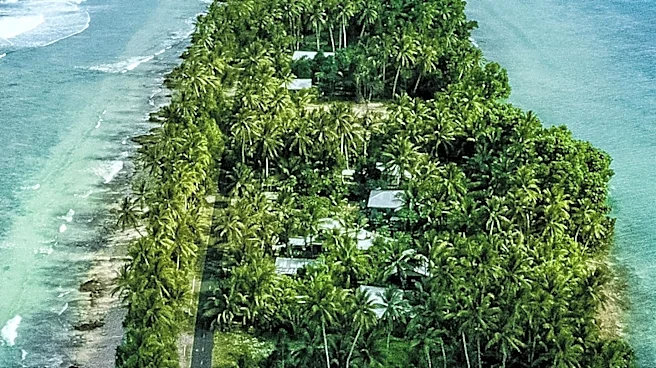
Kiribati, a low-lying Pacific atoll nation with a population of 138,000, is experiencing significant threats to its freshwater sources due to climate change. The nation relies on shallow groundwater wells and rainwater collection, both of which are increasingly
compromised. Rising sea levels are causing saltwater intrusion into the freshwater lens beneath the islands, making groundwater brackish. Seasonal droughts and unpredictable rainfall lead to rainwater tanks running dry more frequently. Conversely, intense downpours and flooding, exacerbated by events like the predicted El Niño weather system, can overwhelm sanitation systems and contaminate shallow wells, rendering the water turbid and unsafe for consumption. This situation is particularly acute on islands like Abaiang, where communities lack public water systems and depend entirely on these vulnerable sources. Medical teams are working with local communities to protect groundwater, improve rainwater harvesting, and upgrade sanitation facilities.
Why It's Important?
The water insecurity in Kiribati highlights the severe and immediate humanitarian consequences of climate change, particularly for vulnerable island nations. The contamination and scarcity of safe drinking water directly impact public health, increasing the risk of diarrhoeal diseases, dehydration, and skin infections. For children, this translates into daily uncertainty about the availability and safety of their water supply, fundamentally reshaping their lives. The challenges faced by Kiribati serve as a stark warning for other low-lying coastal regions globally, including parts of the U.S. that are susceptible to rising sea levels and extreme weather events. The situation underscores the urgent need for international cooperation and investment in climate adaptation strategies to protect essential resources and prevent humanitarian crises in climate-vulnerable areas. The ongoing efforts by organizations to improve water security in Kiribati demonstrate practical approaches that could be scaled and applied elsewhere.
What's Next?
Continued efforts will focus on implementing and scaling up water, sanitation, and hygiene (WASH) initiatives in Kiribati. This includes further hydrogeological assessments, water quality testing, and community-led projects to protect groundwater and enhance rainwater harvesting infrastructure. The long-term strategy involves advocating for global action on climate change to mitigate its root causes, as the I-Kiribati people have been doing for decades. Locally, communities will need ongoing support to adapt to the changing environmental conditions, including developing more resilient water management systems and improving sanitation to prevent contamination during extreme weather events. International aid and partnerships will be crucial to sustain these efforts and explore innovative solutions for water security in the face of persistent climate threats.
Beyond the Headlines
The crisis in Kiribati extends beyond immediate water scarcity, touching upon profound ethical and cultural dimensions. The I-Kiribati people have a deep connection to their land and traditional ways of life, which are being fundamentally altered by climate change. The loss of traditional crops like 'bwabwai' (giant swamp taro) due to saltwater intrusion not only impacts food security but also erodes cultural heritage. The displacement of communities and the potential for climate migration represent a significant long-term shift, raising questions about sovereignty, human rights, and international responsibility. The situation in Kiribati exemplifies the disproportionate impact of climate change on those who have contributed least to it, highlighting global inequities and the moral imperative for developed nations to support climate adaptation and resilience in vulnerable regions. It also underscores the critical role of indigenous knowledge in developing sustainable solutions.