



What's Happening?
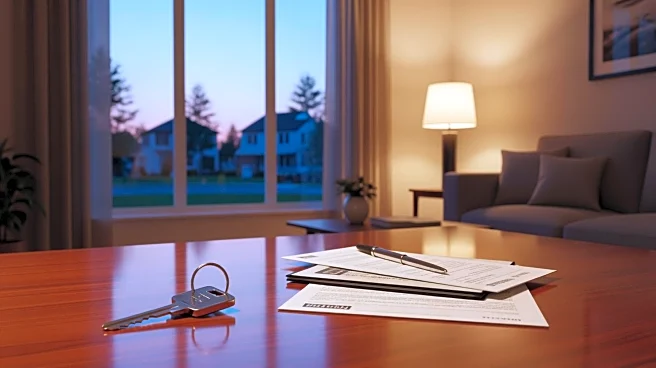
American homeowners are holding onto their properties longer than at any time in the past 25 years. According to new data from ATTOM, the average duration of home ownership reached 8.6 years by the end of 2025, a significant increase from the 4.2 years recorded
in early 2000. This trend is largely attributed to the ultra-low mortgage rates secured during the pandemic, coupled with high home prices and limited housing inventory. The increase in ownership duration is not uniform across the country but is particularly pronounced in major metropolitan areas, especially in coastal and Northeastern cities, where homeowners often remain in their homes for over a decade.
Why It's Important?
The extended duration of home ownership has significant implications for the U.S. housing market and economy. Longer stays can lead to reduced housing market fluidity, potentially limiting opportunities for new buyers and contributing to the ongoing inventory shortage. This trend may also affect the real estate industry, as fewer transactions could lead to decreased business for real estate agents and related services. Additionally, the stability provided by low mortgage rates may encourage homeowners to invest in home improvements, potentially boosting sectors related to home renovation and construction. However, the lack of available homes for sale could exacerbate affordability issues, particularly for first-time buyers.
What's Next?
If current conditions persist, the trend of extended home ownership is likely to continue. This could prompt policymakers to explore measures to increase housing supply, such as incentivizing new construction or revising zoning laws to allow for more diverse housing options. Real estate professionals may need to adapt their strategies to cater to a market with fewer transactions. Additionally, potential changes in interest rates could influence homeowner decisions, either encouraging more sales if rates rise or further entrenching current owners if rates remain low.