


What's Happening?
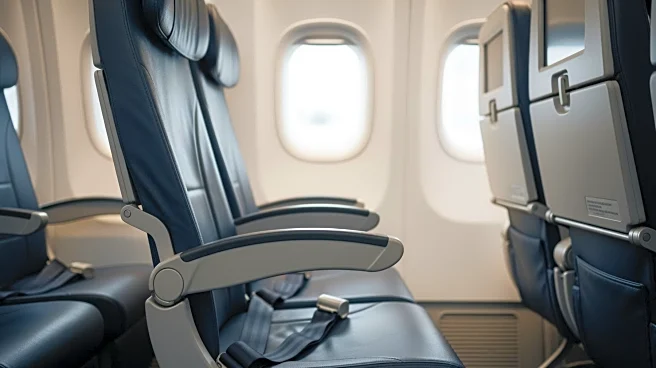
Southwest Airlines is implementing a new policy that requires plus-size passengers to purchase an additional ticket if they cannot fit between the seat armrests. This policy, effective starting Tuesday, marks a significant change from the previous 'Customizer
of Size' mandate, which allowed passengers to either purchase an extra seat with a refund option or request a free additional seat at the airport. Under the new rules, the second seat is only refundable if the flight is not fully booked and both tickets are in the same fare class. Refund requests must be made within 90 days of the flight. Critics argue that this change could worsen the flying experience for plus-size passengers, who previously viewed Southwest as accommodating. The policy is part of a broader trend of Southwest rolling back popular policies, such as the 'bags fly free' policy and open seating.
Why It's Important?
The new policy could significantly impact plus-size travelers, who may face increased travel costs and logistical challenges. Southwest Airlines has been known for its customer-friendly policies, and this shift may alter its reputation and customer base. The policy change could also influence other airlines to reconsider their seating and pricing strategies, potentially leading to industry-wide changes. For plus-size passengers, this could mean fewer travel options and increased financial burdens. The policy has sparked debate about inclusivity and accessibility in air travel, highlighting the ongoing challenges faced by plus-size individuals in public transportation.
What's Next?
As the policy takes effect, Southwest Airlines may face backlash from customers and advocacy groups, potentially leading to further discussions or modifications of the policy. The airline will need to monitor customer feedback and assess the policy's impact on its brand and customer loyalty. Other airlines may observe Southwest's experience to determine whether similar policies could be beneficial or detrimental to their operations. Additionally, there may be increased advocacy for more inclusive travel policies across the industry.
Beyond the Headlines
The policy raises broader questions about inclusivity and the responsibilities of airlines to accommodate diverse body types. It also highlights the tension between business interests and customer satisfaction. The decision may prompt discussions about the ethical implications of pricing strategies that disproportionately affect certain groups. Long-term, this could lead to increased advocacy for regulatory changes to ensure fair treatment of all passengers, regardless of size.