


What's Happening?
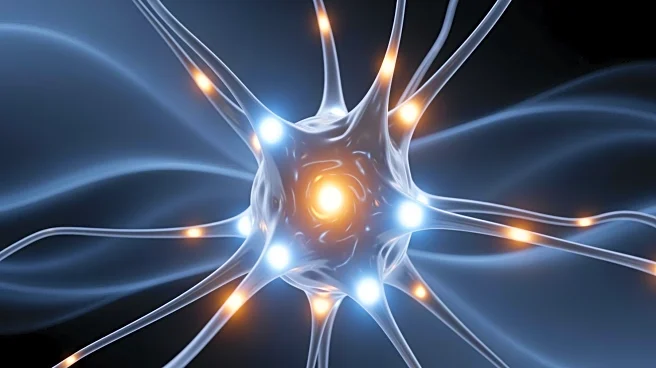
Research led by Lena Ting at Emory University explores how aging and Parkinson's disease affect balance recovery. The study, published in eNeuro, found that older adults, both with and without Parkinson's, exhibit stronger brain responses and increased
muscle activity during minor balance disruptions. This heightened brain engagement correlates with less efficient balance recovery. The study also noted that older adults often activate opposing muscles simultaneously, adding stiffness and reducing movement efficiency. The researchers suggest that assessing muscle activity could help identify individuals at risk of balance loss.
Why It's Important?
Understanding the neurological and muscular changes associated with aging and Parkinson's disease is crucial for developing interventions to prevent falls, a common and serious issue among older adults. The study's findings could lead to improved assessment techniques for identifying individuals at risk of balance loss, allowing for targeted interventions such as balance training and exercise. This research emphasizes the importance of addressing balance issues early to enhance quality of life and reduce healthcare costs associated with fall-related injuries.