





What's Happening?
Recent discussions have emerged regarding the perceived leniency in sentencing for individuals involved in treason and corruption within the United States. Historical cases such as those of Julius and Ethel Rosenberg, who were executed for espionage,
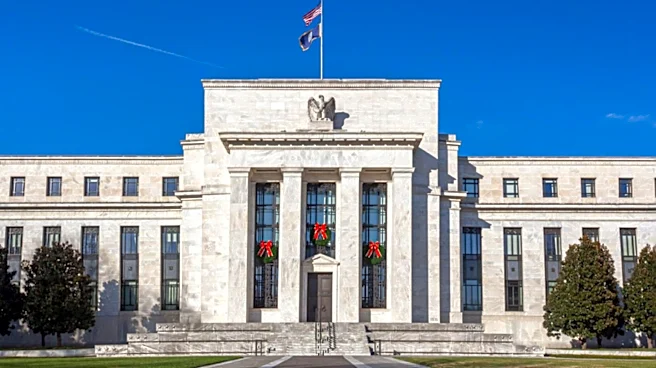
contrast sharply with more recent cases like that of John Harold Rogers, a former Federal Reserve adviser sentenced to 38 months for funneling sensitive economic data to Chinese operatives. The article highlights the disparity in sentencing, noting that while some individuals receive life sentences, others, particularly those in political positions, face lighter consequences. Former Senator Bob Menendez, for instance, was convicted of acting as a foreign agent and received an 11-year sentence, while others have received pardons or avoided significant penalties.
Why It's Important?
The issue of leniency in sentencing for treason and corruption has significant implications for public trust in the justice system and government accountability. The perception that high-ranking officials and politicians receive preferential treatment undermines the rule of law and could erode public confidence in governmental institutions. This disparity in sentencing may also embolden further acts of corruption and treason, as the consequences appear less severe for those in power. The article suggests that the normalization of trading influence and the narrowing of legal definitions of corruption contribute to this issue, potentially allowing significant misconduct to go unpunished.
What's Next?
The ongoing debate over sentencing disparities may lead to calls for reform in how treason and corruption cases are prosecuted and sentenced. There could be increased pressure on lawmakers and the judicial system to ensure that all individuals, regardless of their position, are held to the same legal standards. This may involve revisiting legal definitions and penalties associated with corruption and treason to ensure they are adequate deterrents. Additionally, public advocacy and media scrutiny may play a role in pushing for greater transparency and accountability in these cases.
Beyond the Headlines
The broader implications of lenient sentencing in treason and corruption cases extend to the ethical and cultural dimensions of governance. The normalization of influence trading and the potential for financial or political gain at the expense of national security highlight the need for a cultural shift towards greater integrity and accountability in public service. This issue also raises questions about the effectiveness of current oversight mechanisms and the potential need for systemic changes to prevent future abuses of power.