









What's Happening?
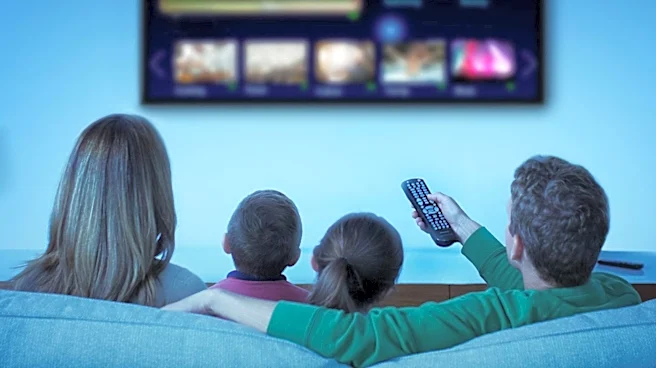
Schools and pediatricians are being called upon to provide clearer guidelines on what constitutes screen time for children, as not all screen time is considered equal. The American Academy of Pediatrics has shifted away from recommending strict time limits,
instead emphasizing that screen time should not replace healthy habits like sleep and exercise. Positive screen time activities include video calls with family, educational TV, and using social media for learning. Schools can support these efforts by being mindful of when students take home school-issued devices, as excessive screen time can negatively impact children's health and development.
Why It's Important?
The management of screen time is crucial as it impacts children's health, development, and academic performance. With the rise of digital devices in education, parents and educators face challenges in balancing screen time with other activities. The American Academy of Pediatrics' flexible guidelines aim to alleviate the pressure on families, promoting a balanced approach to technology use. Schools play a significant role by setting policies on device usage, which can help parents manage screen time at home. This collaboration is essential to ensure children develop healthy digital habits and maintain a balanced lifestyle.
What's Next?
Schools and parents are expected to continue working together to establish effective screen time management strategies. This includes setting clear guidelines for device usage at home and in the classroom. Educators may need to provide resources and support to help parents navigate the digital landscape. As technology continues to evolve, ongoing dialogue between schools, parents, and health professionals will be necessary to adapt to new challenges and ensure children's well-being.