
What's Happening?
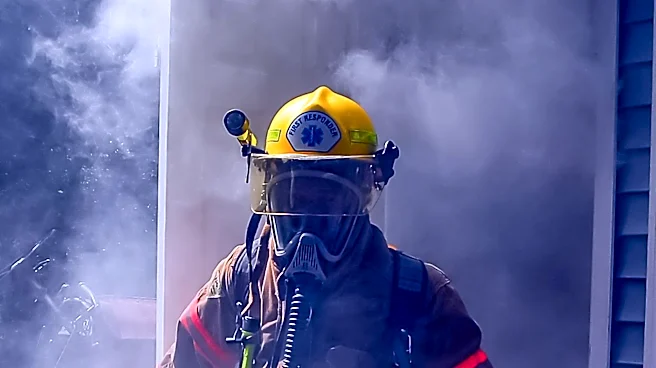
Michael Kennedy, a New York City firefighter, has shared his personal account of the September 11, 2001, terrorist attacks and their lasting impact. On the day of the attacks, Kennedy was off-duty, having
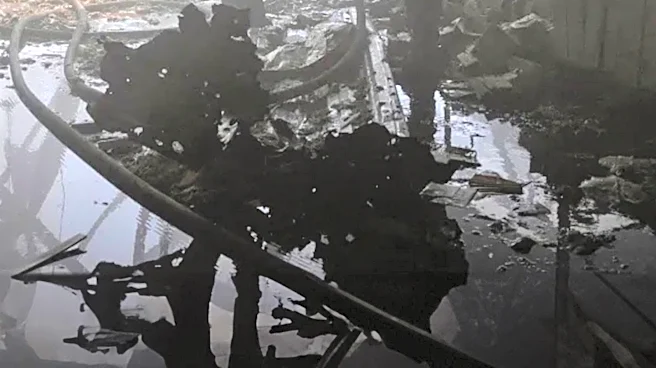
just completed a night shift at a firehouse in Queens. He was en route to Duxbury to visit his daughter when the first plane struck the World Trade Center. Upon learning of the incident, Kennedy immediately turned back towards Manhattan. His brother, also a firefighter, arrived at the scene as the second plane hit, and by the time Michael Kennedy reached the site, the South Tower had already collapsed. He spent the subsequent two and a half months engaged in recovery efforts, searching for remains amidst the rubble. Kennedy noted the scarcity of intact bodies found, with only one, that of Cantor Fitzgerald trader Eric Sands, being largely preserved. He also reflected on the emotional toll of the recovery work and the public's reaction to the tragedy.
Why It's Important?
Michael Kennedy's testimony offers a poignant and firsthand perspective on one of the most significant events in U.S. history, the 9/11 attacks. His narrative highlights the immediate and long-term psychological impact on first responders, who faced unimaginable devastation and the grim task of recovery. The story underscores the profound sense of duty and sacrifice exhibited by firefighters and other emergency personnel, who, as Kennedy states, are 'trained to run in when everybody runs out.' His reflections on the public's response and the fleeting sense of national unity following the tragedy serve as a critical reminder of the collective memory and the ongoing need for empathy and community cohesion in the face of adversity. This account contributes to the historical record of 9/11, ensuring that the human cost and the heroism of those days are not forgotten.
What's Next?
Michael Kennedy continues to share his experiences, regularly speaking at Plymouth's September 11 commemoration events. His ongoing participation in these memorials ensures that the lessons and memories of 9/11 are passed on to future generations. He aims to foster a continued sense of hope and community, advocating for the spirit of unity that emerged in the aftermath of the attacks to persist beyond times of tragedy. His future engagements will likely continue to focus on remembrance, education, and encouraging societal cohesion. The impact of his story will likely resonate with those seeking to understand the human dimension of historical events and the enduring spirit of resilience.
Beyond the Headlines
Kennedy's account delves into the deeper psychological and societal implications of the 9/11 attacks. His struggle with the public's perceived quick recovery and his own delayed emotional breakdown 15 years later illustrate the complex and long-lasting nature of trauma, particularly for those on the front lines. The story also touches upon the ethical dimension of public spectacle versus respectful remembrance, as Kennedy recalls his anger at 'tourists' observing the recovery efforts. Furthermore, his wish for the post-9/11 unity to extend beyond tragedy highlights a broader societal challenge: maintaining collective empathy and cooperation in everyday life. This narrative transcends a mere recounting of events, offering insights into human resilience, the processing of collective grief, and the aspiration for a more consistently compassionate society.