





What's Happening?
New research from the University of Missouri's Center for Rural Energy Security indicates that wind and solar farms can significantly contribute to the economic growth of rural communities. Mizzou economist Adrienne Ohler, the lead researcher, analyzed
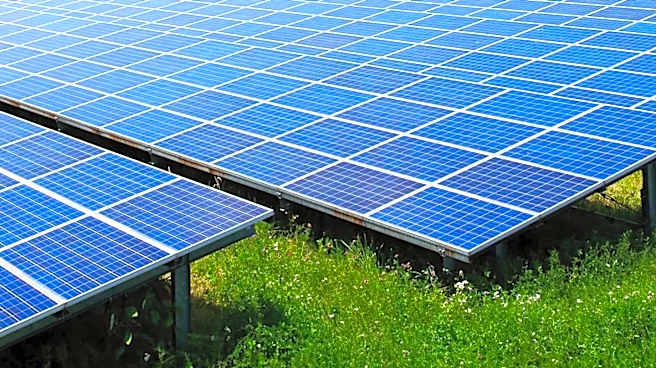
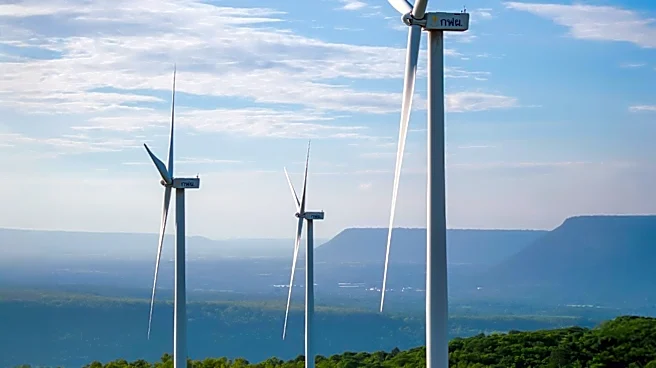
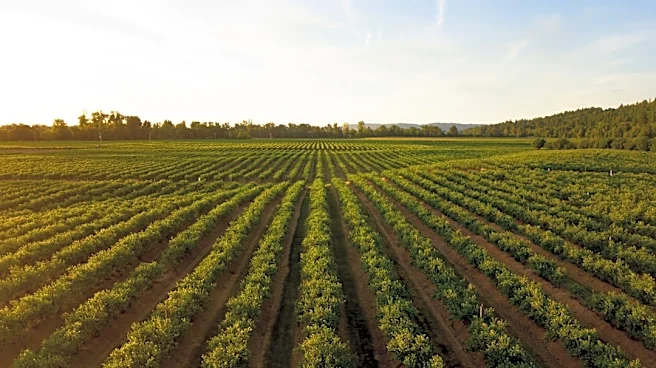
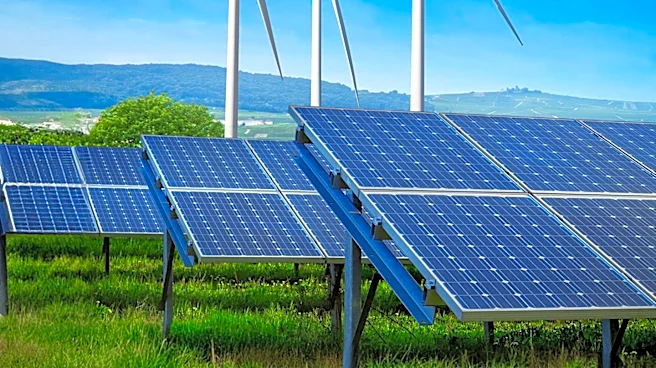
economic factors in counties with renewable power plants compared to those without, spanning from 2001 to 2023. The study found that solar energy development in rural counties led to 10-20 percent increases in employment and wages within the utilities, construction, and transportation sectors. Communities hosting wind energy infrastructure experienced an approximate 7 percent increase in gross domestic product (GDP). Ohler noted that large-scale wind and solar power plants are predominantly located in rural areas, with 70 percent of large-scale solar and 94 percent of wind farms built on cropland. The report also clarified that neither wind nor solar development was associated with declining agricultural GDP, employment, or wages, suggesting no substantial negative impact on agricultural economic activity.
Why It's Important?
This research is important because it provides empirical evidence supporting the economic benefits of renewable energy development in rural areas, directly addressing common concerns and misconceptions. The findings demonstrate that wind and solar projects can create jobs, increase wages, and boost local GDP, offering a new avenue for economic diversification and stability in regions often facing economic challenges. For rural communities, increased tax revenue from these projects can fund essential services like schools, fire departments, and ambulance districts, as highlighted by James Owen, executive director of Renew Missouri. Furthermore, the study's conclusion that renewable energy does not negatively impact agricultural economic activity is crucial for alleviating fears among farmers and landowners about land use conflicts. This information can inform local leaders and policymakers, encouraging them to adopt policies that facilitate renewable energy development while ensuring community benefits.
What's Next?
The findings of this research are likely to influence policy discussions and local planning decisions regarding renewable energy projects in rural areas. Local leaders and policymakers are encouraged to examine successful policies and regulations in communities that have effectively integrated renewable energy. This could lead to the development of new ordinances and permitting processes designed to maximize economic benefits while addressing community concerns. Advocacy groups like Renew Missouri will likely use this research to promote further investment in wind and solar power, emphasizing the economic advantages and the reliability of domestic energy sources. The ongoing debate in state legislatures, such as Missouri's, regarding the regulation of renewable energy projects, will undoubtedly be informed by these economic insights, potentially shifting the focus towards how to best harness these benefits for rural development.
Beyond the Headlines
Beyond the immediate economic gains, the integration of wind and solar energy in rural areas represents a significant shift towards energy independence and environmental sustainability. The research underscores how rural communities, often seen as resource providers, can become key players in the national transition to clean energy. This not only creates new economic opportunities but also empowers these communities with a sense of purpose in addressing climate change. The study's finding that renewable energy doesn't harm agricultural output is particularly significant, as it suggests a path for synergistic development where agriculture and clean energy can coexist and mutually benefit. This deeper implication points to a future where rural landscapes are not just sites for resource extraction but vibrant hubs of innovation, contributing to both national energy security and local prosperity, while fostering a more sustainable relationship with the environment.