

What's Happening?
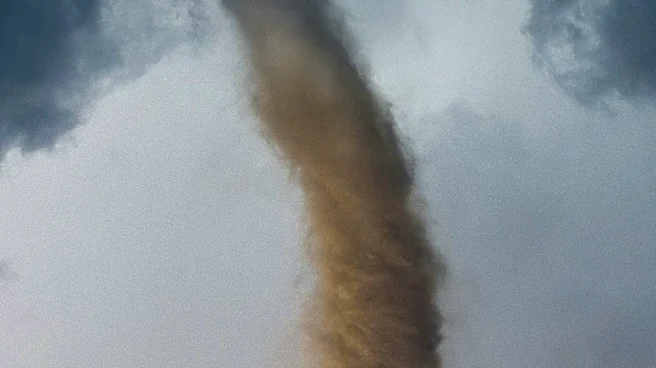
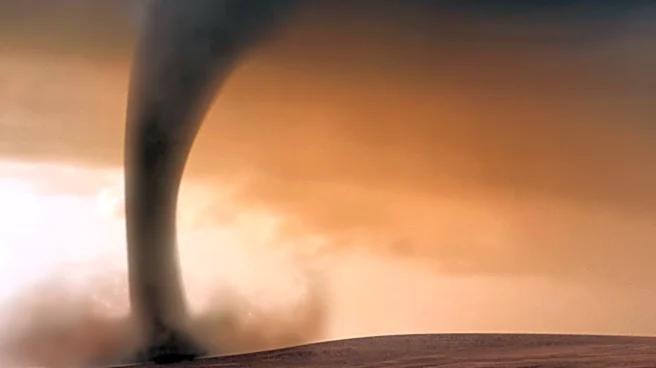
Tornado activity in the United States is undergoing a significant geographical and seasonal shift. Historically concentrated in the Great Plains, known as Tornado Alley, twisters are now decreasing in this region while increasing by 12% in the eastern
U.S., according to the U.S. Census Bureau. This shift means that the traditional perception of tornadoes primarily occurring over flat farmland in late spring is becoming outdated. Furthermore, the calendar for tornado season has expanded, with higher counts observed from January through April, and a notable rise in October and December between 2010 and 2025. This indicates that tornadoes are now reaching into winter months, a period when they were previously uncommon. While the geographical and seasonal patterns are changing, the overall national tornado numbers have remained stable or even declined since 1995, according to a U.S. Forest Service study. Chief meteorologist Shel Winkley of Climate Central notes that current research does not suggest climate change is producing more tornadoes, but rather altering where and when they strike. The NOAA National Severe Storms Laboratory is addressing common public questions about tornadoes, including how their strength is rated and the distinction between a watch and a warning, to help the public adapt to these evolving patterns.
Why It's Important?
The eastward shift and extended season of U.S. tornado activity carry substantial implications for public safety, emergency preparedness, and economic stability. Regions previously considered less prone to tornadoes, particularly in the eastern U.S., now face increased risks, potentially impacting communities and infrastructure that are not adequately prepared. This change necessitates a re-evaluation of building codes, emergency response protocols, and public awareness campaigns in these newly affected areas. Economically, tornadoes are among the costliest U.S. weather disasters, with nearly half of all billion-dollar weather events since 1980 attributed to them. The shift means that insurance companies, property owners, and local governments in the East may face higher financial burdens from damage and recovery efforts. The extended season also challenges traditional agricultural cycles and outdoor industries, requiring new strategies for risk management. For the public, a misunderstanding of these new patterns can lead to complacency, increasing the risk of injury or fatality. Therefore, accurate and updated information from agencies like the NOAA National Severe Storms Laboratory is crucial for ensuring effective preparedness and minimizing the human and economic costs of these evolving weather phenomena.
What's Next?
In response to the changing patterns of tornado activity, a fresh approach to preparedness and public education is essential. The NOAA National Severe Storms Laboratory and other weather agencies will likely intensify efforts to update public understanding of tornado risks, emphasizing the eastward shift and extended seasonal threat. This will involve revising educational materials, refining warning systems, and conducting outreach in newly vulnerable regions. Local and state governments in the eastern U.S. will need to assess and potentially upgrade their emergency management plans, including shelter availability, communication strategies, and first responder training. Building codes in these areas may also come under scrutiny to ensure structures can withstand increased tornado threats. Researchers will continue to study the precise mechanisms behind these shifts, including potential links to climate patterns, to improve long-term forecasting and mitigation strategies. For individuals, the sensible response is not alarm but a proactive re-evaluation of personal and household preparedness plans, recognizing that the danger is now spread across a different map and a longer calendar.
Beyond the Headlines
The evolving landscape of U.S. tornado activity highlights a broader challenge in adapting to dynamic environmental changes. Beyond the immediate meteorological shifts, there are significant ethical and social implications. Communities in the eastern U.S., often with denser populations and different housing structures compared to the Great Plains, may face unique vulnerabilities and require tailored preparedness strategies. This raises questions about equitable access to resources and information for all communities, particularly those with limited means. The shift also underscores the importance of scientific communication in dispelling outdated perceptions and fostering accurate risk assessment among the public. Culturally, the traditional imagery of tornadoes may need to evolve to reflect the new reality, influencing everything from educational curricula to media portrayals. Long-term, these changes could drive innovation in weather forecasting technology, urban planning for resilience, and community-based disaster preparedness programs, ultimately shaping how society interacts with and responds to severe weather events in a changing climate.