








What's Happening?
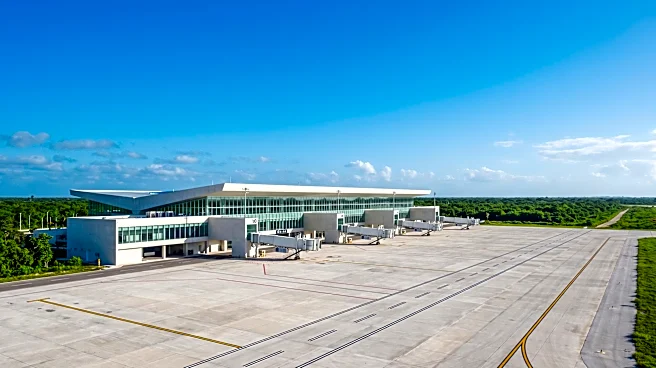
Tulum International Airport, which commenced operations in December 2023, recorded a 34% decrease in international passengers during the first quarter of 2026 compared to the same period in 2025, with 178,000 passengers. Between January and August, the Federal
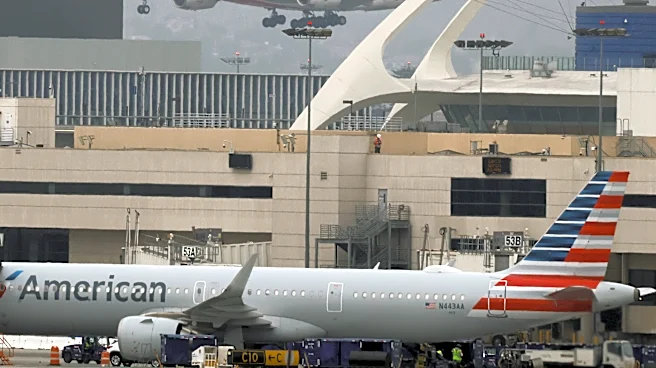
Civil Aviation Agency (AFAC) reported a 33.6% drop in passenger traffic. Major airlines, including Aeroméxico, Volaris, and American Airlines, have significantly reduced their routes to Tulum. The number of international destinations served by the airport has fallen from 12 in June 2024 to only four (Atlanta, Dallas, Houston, and Miami) as of the latest information, served by American, Delta, and United. Hotel occupancy in Tulum also saw a decline, averaging 63.7% between January and July 2026, down from 72.7% during the same period in 2025. Visits to the Tulum archaeological zone decreased by 33.1% in the first quarter of 2026 compared to 2025.
Why It's Important?
The significant decline in international passenger traffic, hotel occupancy, and archaeological site visits in Tulum indicates a severe downturn for a key tourist destination in Mexico's Riviera Maya. This trend contrasts with Mexico's overall national tourism growth, which saw a 7.7% increase in international travelers in the first half of the year. The reduction in air routes by major U.S. airlines like American, Delta, and United directly impacts accessibility for U.S. tourists, who are a crucial market for the region. The economic health of Tulum, heavily reliant on tourism, is at risk, potentially affecting local businesses, employment, and regional development. The situation highlights the vulnerability of tourism-dependent economies to changes in travel patterns, airline strategies, and external factors such as increased fees or environmental concerns like sargassum seaweed.
What's Next?
Federal Tourism Secretary Josefina Rodríguez Zamora has attributed the low attendance to the low season and denied a crisis, while Quintana Roo's Secretary of Tourism, Bernardo Cueto, noted that Tulum's hotel supply has doubled in five years, suggesting price adjustments. President Claudia Sheinbaum's government is promoting the 'Tulum Renace' campaign, which includes free beach access and sargassum cleanup efforts, to revitalize the destination. Additionally, new routes from Montreal and Toronto have been announced, and the return of Air Canada, Air Transat, WestJet, and United routes was cited for October 24. The director of the INAH Center in Quintana Roo attributed the slowdown to increased fees, which have since been adjusted for the Jaguar Park. The upcoming high season from November to March will be crucial to assess if these measures and new airline routes can reverse the documented decline.
Beyond the Headlines
The challenges faced by Tulum, despite broader national tourism growth in Mexico, underscore the complex interplay of factors influencing regional tourism. While the Mexican government attributes the decline to low season and increased hotel supply, other factors like geopolitical volatility, increased fees, and environmental issues such as sargassum seaweed are also cited. The controversy over the Jaguar Park fees and their subsequent removal highlights the sensitivity of tourist destinations to pricing strategies. The long-term impact of sargassum, identified by NASA as reaching record concentrations in the Caribbean, poses a significant environmental and economic threat, potentially affecting not only Tulum but the entire region. This situation could prompt a re-evaluation of sustainable tourism practices and environmental management strategies to protect coastal destinations.