





What's Happening?
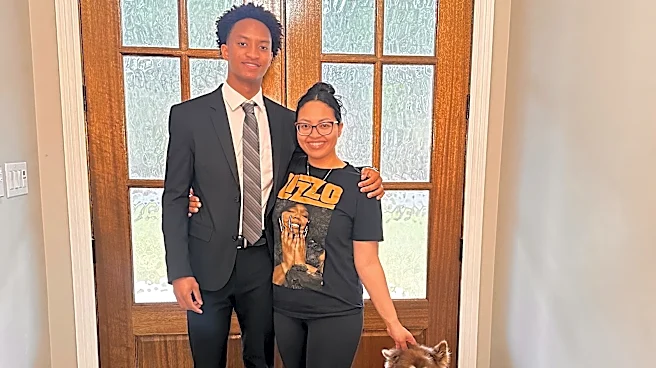
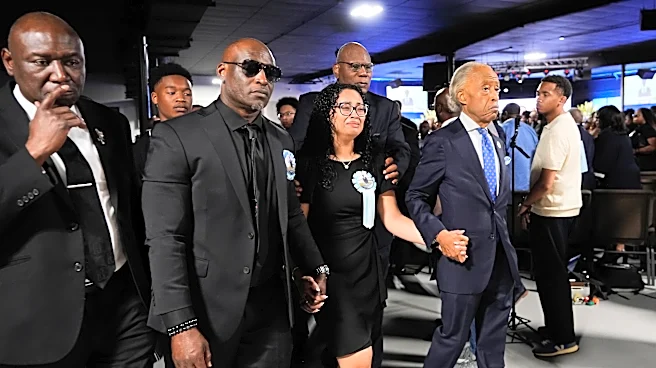
Civil rights activist Reverend Al Sharpton has announced a $50,000 reward for information leading to an arrest and conviction in the case of Nolan Wells, an 18-year-old who died under mysterious circumstances. This announcement was made during Wells'
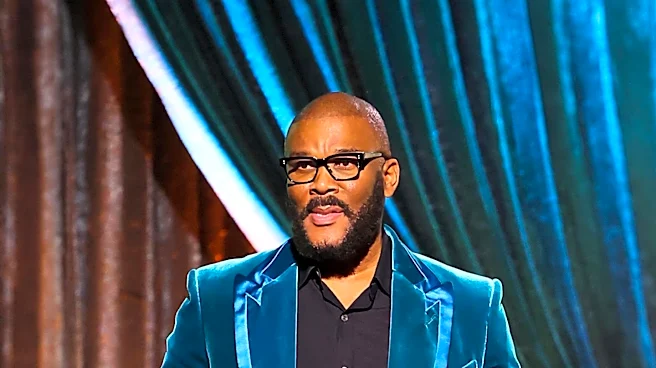
funeral in Mississippi, where Sharpton emphasized the need for a thorough investigation. Tyler Perry, a filmmaker, matched Sharpton's offer, bringing the total reward to $100,000. The case has drawn national attention due to questions about the circumstances of Wells' death and the investigation's thoroughness. Wells' family, supported by civil rights attorney Ben Crump, has expressed concerns about the investigation, citing inconsistencies in witness accounts. The FBI is assisting local authorities in the investigation, which includes examining interstate threats related to the case.
Why It's Important?
The case of Nolan Wells has highlighted broader issues of racial tension and the need for transparency in investigations involving minority communities. The involvement of high-profile figures like Al Sharpton and Tyler Perry underscores the national significance of the case. The reward aims to encourage witnesses to come forward, potentially leading to new evidence. The case also raises questions about the adequacy of local law enforcement's handling of racially sensitive cases, especially in regions with a history of racial tension. The outcome of this investigation could influence public trust in the justice system and impact future cases involving civil rights and racial equality.
What's Next?
The investigation into Nolan Wells' death is ongoing, with authorities continuing to gather evidence and witness testimonies. The FBI's involvement suggests a comprehensive approach to addressing both the circumstances of Wells' death and the threats received by his family. The reward may incentivize individuals with information to come forward, potentially leading to new developments in the case. Civil rights advocates and Wells' family are likely to continue pushing for transparency and accountability, which could lead to further public scrutiny and media attention. The case may also prompt discussions on improving investigative practices in racially sensitive cases.