






What's Happening?
The United Nations High Commissioner for Refugees (UNHCR) has issued a warning that a powerful El Niño weather pattern could lead to severe flooding in East Africa, potentially displacing up to three million people by the end of 2026. Countries at high
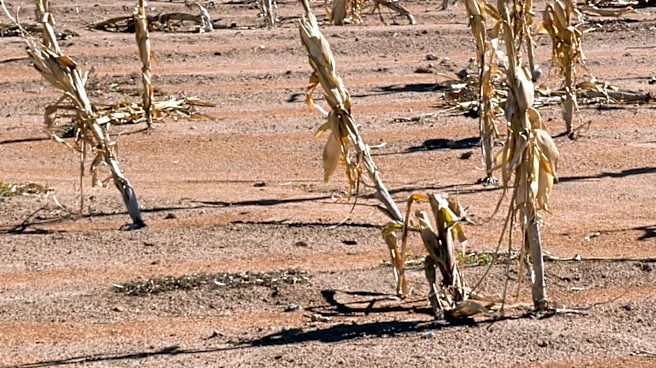
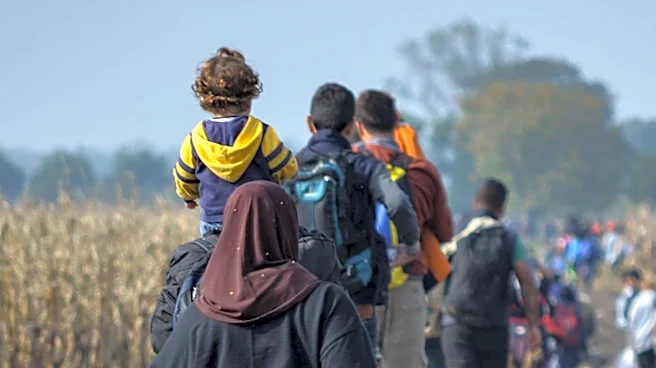
risk include Somalia, Kenya, South Sudan, and Uganda. This forecast comes as part of a broader report highlighting that nearly 90 million forcibly displaced individuals globally reside in regions increasingly vulnerable to climate-related hazards such as droughts, floods, and extreme heat. The UNHCR emphasizes the critical overlap between conflict, displacement, and climate change, noting that climate adaptation in fragile and displacement-affected areas is essential for survival. The agency also points out that only about 10 percent of climate finance currently reaches these vulnerable countries, underscoring a significant funding gap.
Why It's Important?
This impending displacement crisis in East Africa carries significant humanitarian and geopolitical implications. The mass movement of people due to climate events can exacerbate existing conflicts, strain resources in host communities, and create new challenges for regional stability. For the United States, such large-scale humanitarian crises often necessitate increased foreign aid and diplomatic engagement to support relief efforts and mitigate instability. The report also highlights the broader global challenge of climate change disproportionately affecting vulnerable populations, many of whom are already displaced by conflict. The lack of adequate climate finance reaching these fragile nations means that the international community, including the U.S., may face growing demands for emergency assistance and long-term development support to address the root causes and consequences of climate-induced migration.
What's Next?
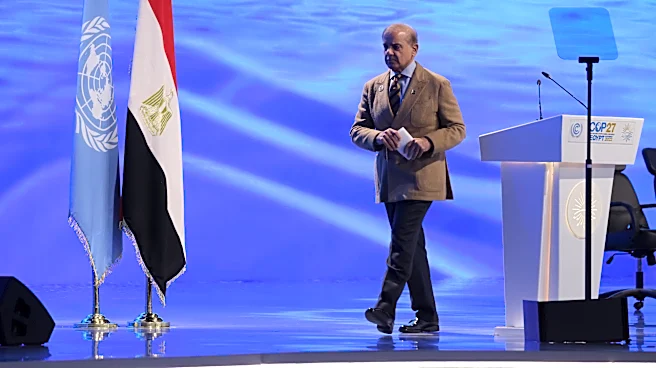
The UNHCR is urging governments and climate-finance institutions attending COP31 to significantly increase funding for climate adaptation, particularly for fragile and conflict-affected countries. The agency stresses the need for climate financing to reach communities where the needs are most acute. Without substantial and timely financial support, the projected displacement of millions in East Africa could overwhelm existing humanitarian capacities. Additionally, the report indicates that more than two-thirds of refugee returns in the first half of 2026 were to countries highly exposed to climate hazards, suggesting a cycle of renewed displacement if adaptation measures are not strengthened. International discussions at COP31 will be crucial in determining the level of commitment and resources allocated to address these escalating climate-induced displacement risks.
Beyond the Headlines
The situation in East Africa underscores a deeper ethical and systemic issue: the disproportionate impact of climate change on populations least responsible for its causes. Many of the affected countries have minimal carbon footprints but bear the brunt of extreme weather events. This raises questions about climate justice and the responsibility of developed nations to provide adequate support for adaptation and mitigation. Furthermore, the report highlights how climate change is making sustainable returns for displaced people increasingly difficult, creating a long-term challenge for global refugee policies. The intertwining of climate, conflict, and displacement suggests that traditional humanitarian aid models may need to evolve to address these complex, multi-faceted crises, requiring integrated approaches that combine climate resilience, peacebuilding, and development initiatives.