
What's Happening?
Russian President Vladimir Putin held his annual marathon press conference, where he indicated that Russia might be open to a negotiated end to the conflict with Ukraine. Despite expressing readiness for
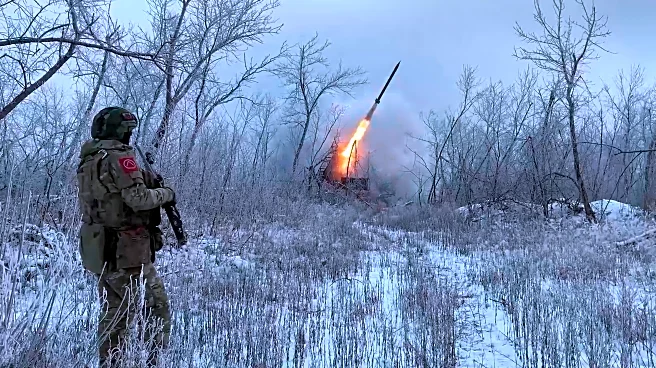
a peaceful resolution, Putin made it clear that military operations would continue as long as deemed necessary by the Kremlin. This statement comes amid ongoing tensions and military engagements between Russia and Ukraine, with significant implications for regional stability and international relations.
Why It's Important?
Putin's remarks suggest a potential shift in Russia's approach to the conflict, which could open avenues for diplomatic negotiations and a possible de-escalation of hostilities. The continuation of military operations, however, indicates that any resolution may be complex and protracted. The situation has significant implications for European security, international diplomatic efforts, and the geopolitical landscape. A negotiated settlement could lead to a reduction in tensions and a stabilization of the region, benefiting both local populations and international stakeholders.
What's Next?
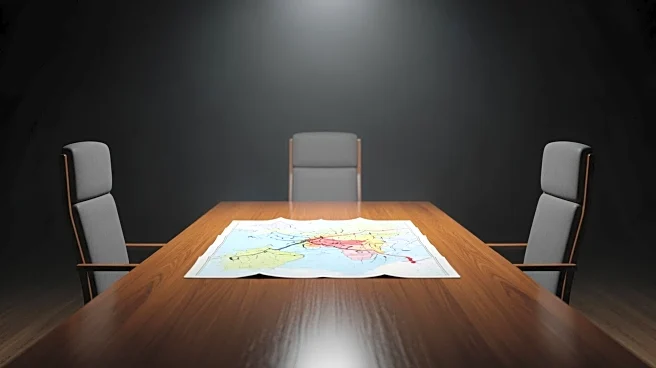
The international community, including the United States and European allies, may respond to Putin's statements by exploring diplomatic channels to facilitate negotiations. Potential next steps could involve increased diplomatic engagement, peace talks, and efforts to establish ceasefires. The outcome of these efforts will depend on the willingness of both Russia and Ukraine to compromise and the support of international mediators.
Beyond the Headlines
The conflict between Russia and Ukraine also highlights broader issues of sovereignty, territorial integrity, and international law. The situation raises questions about the role of international organizations in conflict resolution and the effectiveness of sanctions and diplomatic pressure in influencing state behavior. The resolution of this conflict could set precedents for addressing similar disputes in the future.