




What's Happening?
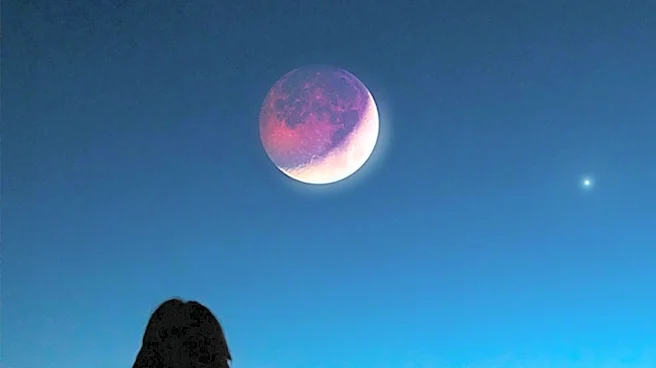
NASA has released its skywatching tips for July 2026, highlighting several celestial events. Key events include a predawn alignment of the Moon, Mars, and Saturn on July 11 and 12, and the appearance of Comet 10P/Tempel 2 around July 14. The New Moon on July 14 provides
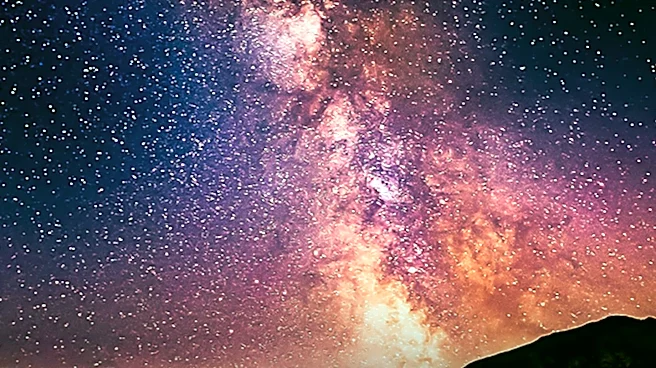
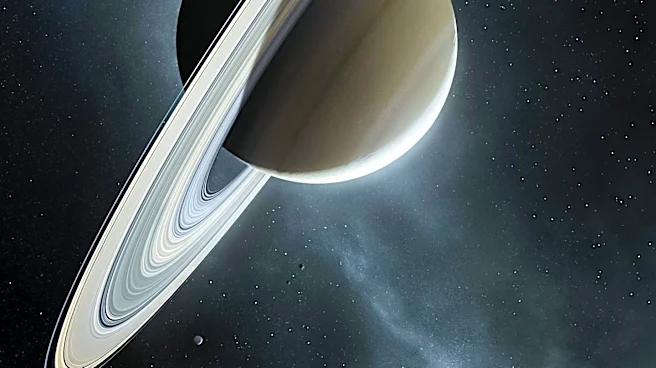
optimal conditions for viewing the Milky Way. Later in the month, Saturn's rings will appear unusually thin, offering a unique viewing opportunity. These events provide opportunities for both amateur and professional astronomers to observe and study celestial phenomena.
Why It's Important?
Skywatching events like these offer valuable opportunities for public engagement with astronomy and space science. They allow individuals to connect with the cosmos and gain a deeper appreciation for the universe. For scientists, these events provide data that can enhance our understanding of planetary movements and celestial mechanics. The visibility of Saturn's rings and the Milky Way can inspire interest in space exploration and science education, fostering a new generation of astronomers and space enthusiasts.
What's Next?
Astronomy enthusiasts are encouraged to find dark locations away from city lights to maximize their viewing experience. NASA will continue to provide updates and educational resources to support public engagement with these celestial events. Future skywatching guides will highlight upcoming astronomical phenomena, helping to maintain public interest in space science.