






What's Happening?
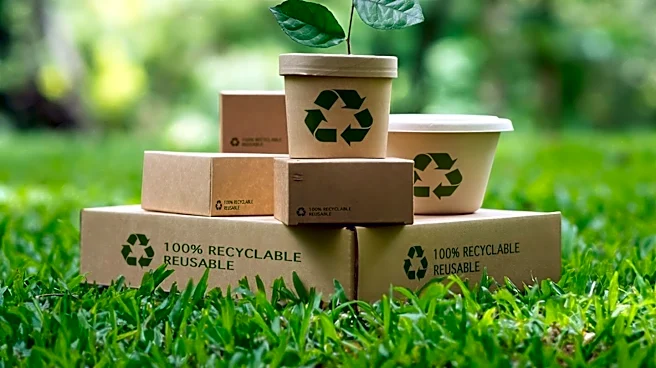
Recent research and development in biodegradable polymers are presenting promising solutions to the environmental challenges posed by conventional plastic waste. Key biodegradable polymers such as polylactic acid (PLA), polyhydroxyalkanoates (PHAs), polybutylene
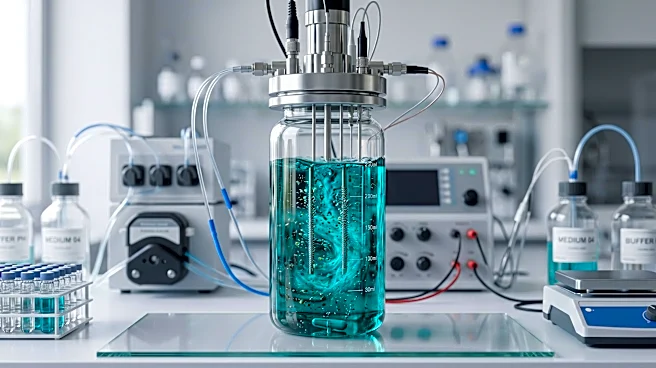
succinate (PBS), polybutylene adipate terephthalate (PBAT), and polycaprolactone (PCL) are being explored for diverse applications. These materials are seeing improvements through advancements in microbial fermentation, polymer blending, nanocomposite development, and enzyme-assisted degradation. These technological strides aim to enhance material properties and expand their utility in sectors like packaging, agriculture, biomedical engineering, and pharmaceuticals. Despite these advancements, challenges persist, including high production costs, variability in mechanical performance, and the need for standardized degradation rates and waste management infrastructure. The effectiveness of biodegradation is highly dependent on factors such as polymer composition, crystallinity, temperature, moisture, and microbial activity, underscoring the importance of rigorous testing and life cycle assessments to confirm environmental benefits.
Why It's Important?
The development of advanced biodegradable polymers is crucial for mitigating the escalating environmental impact of plastic pollution in the U.S. and globally. As concerns over landfill accumulation and microplastic contamination grow, these materials offer a pathway to reduce reliance on fossil-derived plastics and promote a more circular economy. Industries such as packaging, agriculture, and healthcare stand to benefit significantly by adopting these sustainable alternatives, potentially improving their environmental footprint and meeting consumer demand for eco-friendly products. However, the successful integration of these polymers requires overcoming economic hurdles, as their production costs often exceed those of traditional plastics. Furthermore, the need for specialized waste management infrastructure for proper biodegradation means that widespread adoption will necessitate significant investment and policy support to ensure these materials deliver their intended environmental advantages without creating new waste stream complexities.
What's Next?
Future efforts in the field of biodegradable polymers will likely concentrate on several key areas to overcome existing limitations. Research is expected to focus on developing more cost-effective production methods, potentially through enhanced microbial engineering and the utilization of renewable or waste-derived feedstocks. Improvements in material performance, such as increased flexibility, strength, and heat resistance, will also be a priority to broaden their applicability. Furthermore, the establishment of standardized biodegradation testing methods and clearer labeling will be essential to ensure that these materials degrade as intended in various environments and to build consumer trust. Collaboration between researchers, manufacturers, and policymakers will be critical to create the necessary infrastructure for collection, sorting, and composting, ensuring that biodegradable plastics are effectively integrated into sustainable waste management strategies rather than contributing to new environmental problems.
Beyond the Headlines
The rise of biodegradable polymers extends beyond mere material substitution; it signals a broader shift towards sustainable materials management and a circular economy. This movement challenges traditional linear production models and encourages a holistic view of a product's life cycle, from raw material sourcing to end-of-life disposal. Ethical considerations arise regarding the true 'biodegradability' of these materials, as some may only degrade under specific industrial composting conditions, not in natural environments. This necessitates transparent communication and robust certification to prevent 'greenwashing.' Legally, there may be a need for new regulations and standards to govern the production, labeling, and disposal of biodegradable plastics, ensuring their environmental claims are met. Culturally, the adoption of these materials could foster greater environmental awareness and consumer demand for sustainable products, driving innovation and responsible consumption practices across various sectors.