






What's Happening?
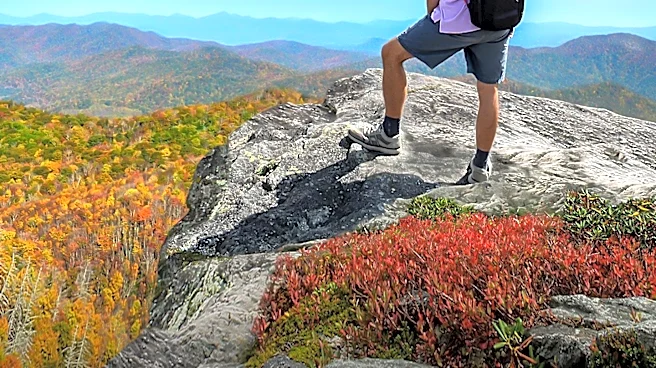
A 16-year-old hiker tragically died after falling over 100 feet at Devils Castle Trail in the Alta area of Salt Lake County, Utah. The incident occurred while the teenager was hiking with three companions. First responders, including the Salt Lake County Sheriff's
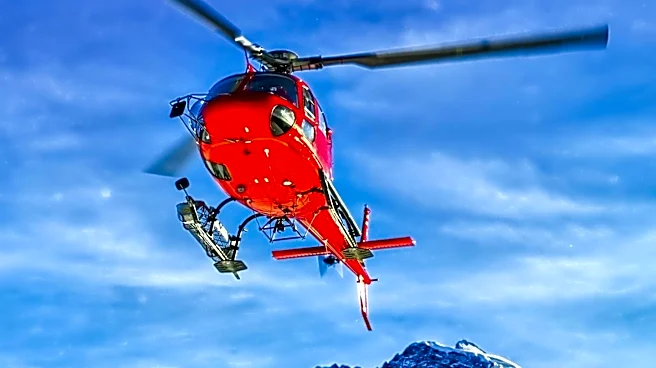
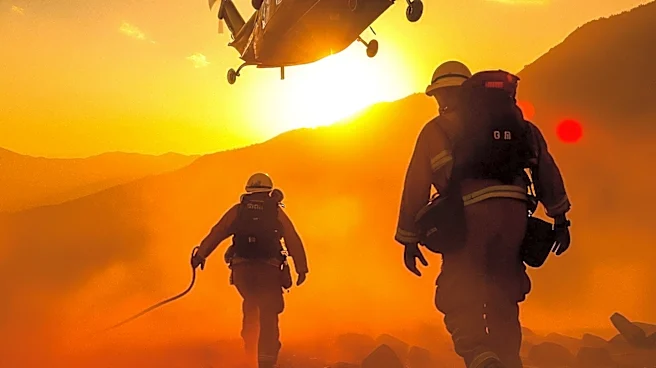
Office, Alta Marshals, and the Utah Department of Public Safety Aero Bureau, were dispatched to the scene after a witness called 911. Upon arrival, the 16-year-old male was pronounced deceased. Following the recovery efforts, responders worked to safely assist the three remaining members of the hiking group who were still above the ridgeline. In response to the incident, access to the Devils Castle area has been temporarily closed until Friday.
Why It's Important?
This tragic incident underscores the inherent dangers associated with hiking in challenging mountainous terrain, even for experienced individuals. It serves as a somber reminder of the importance of safety precautions, proper equipment, and awareness of environmental conditions when engaging in outdoor activities. The involvement of multiple emergency response agencies highlights the complexity and resource-intensive nature of search and rescue operations in remote and difficult-to-access areas. For the community, particularly those involved in outdoor recreation, this event may prompt increased discussions about trail safety, risk assessment, and the need for vigilance. The temporary closure of the Devils Castle area reflects the immediate need to ensure safety and allow for investigation, potentially leading to reviews of trail conditions or safety advisories in the future.
What's Next?
The Salt Lake County Sheriff's Office will likely continue its investigation into the circumstances surrounding the fall to understand what led to the tragic incident. The Devils Castle area will remain closed until Friday, presumably to allow for investigation and ensure the safety of the area. This event may lead to increased public awareness campaigns regarding hiking safety in Utah's mountainous regions, potentially involving local authorities and outdoor recreation groups. There could also be discussions among park management and local officials about reviewing safety measures, signage, or access restrictions for challenging trails like Devils Castle, especially concerning younger hikers or those less familiar with the terrain. The focus will be on preventing similar tragedies in the future through education and potentially enhanced safety protocols.
Beyond the Headlines
Beyond the immediate tragedy, this incident brings to light the broader societal implications of outdoor recreation and risk. The increasing popularity of hiking and adventure sports, particularly among younger demographics, necessitates a renewed focus on education regarding wilderness safety, emergency preparedness, and the responsible use of natural spaces. It also highlights the psychological impact such events have on companions, first responders, and the wider community. The incident may spark conversations about the role of technology in enhancing safety, such as GPS tracking or emergency communication devices, and the balance between encouraging outdoor activity and mitigating inherent risks. Ultimately, it serves as a poignant reminder of nature's power and the critical importance of respect and preparedness when venturing into challenging environments.